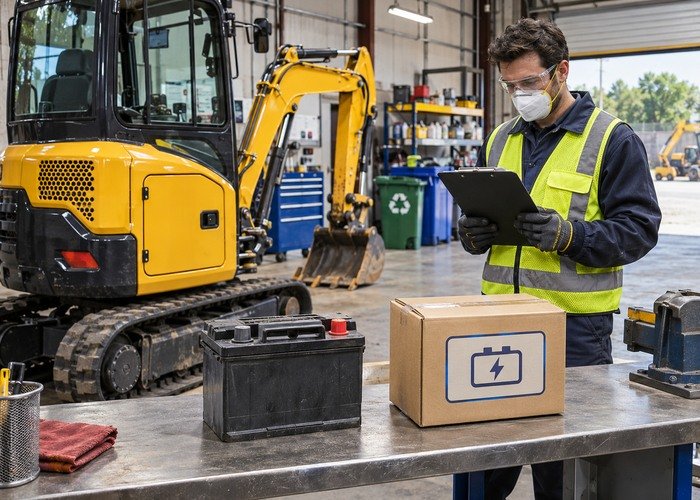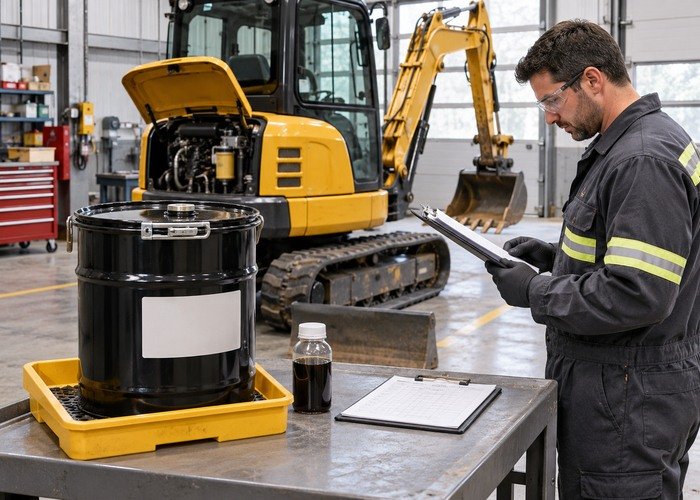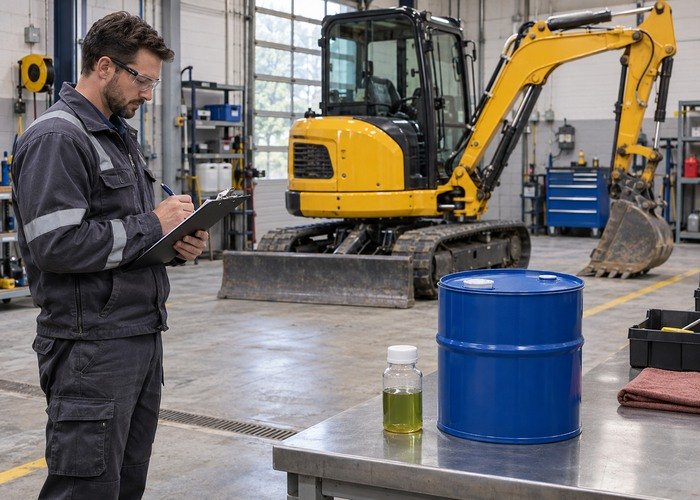
















































A useful mini excavator warranty service request separates three things: what the machine is, what happened, and what the supplier has agreed to do next. Send a traceable case file rather than a guessed diagnosis. Clear records help a service team decide what information, inspection or authorisation is needed. They do not, by themselves, establish that a repair is covered.
This guide is for an owner preparing a post-delivery repair request. It does not set SeekMach warranty terms, promise reimbursement or authorise dismantling. The machine supplier, engine provider and attachment supplier may have different responsibilities. Obtain the documents that apply to the actual purchase and ask the responsible organisation to confirm the review route in writing.
If the fault could affect safe operation, secure the machine using its approved procedure and arrange competent assessment. Do not keep operating to obtain a more dramatic video. A concise report made from a safe position is more useful than footage obtained by repeating a hazardous failure.
Start with a one-page case summary
Put a short summary at the front of the file. Identify the contact person, machine location, purchase reference and date the problem was first noticed. State whether the excavator is available for inspection, whether it has been moved, and what immediate restrictions are in place. Keep personal contact details within the authorised service correspondence, rather than publishing them with a machine photograph.
Describe the symptom in ordinary language. For example, an illustrative report might say that the display showed a particular warning during the first start after transport. It should distinguish that observation from a belief that a component has failed. Preserve the exact warning wording or code where it can be read safely, and explain anything that is uncertain.
A purchase specification is useful background, but an existing mini excavator buying checklist answers a different question. Once support is needed, the immediate task is to connect the machine in front of the owner to the sales and service records held by the supplier. Check the actual page and purchase documents for the relevant model information.

Keep machine, engine and component identities separate
A machine serial number and an engine serial number are not interchangeable. Record both where applicable, and include the model names shown on their respective plates. An attachment or replacement assembly may also have its own identity. Photograph labels only when they can be reached without removing guards, entering a danger zone or disturbing a hot or pressurised system.
Kubota provides an example of model-specific dealer-service information in its U17-3 operator manual. That example illustrates why accurate identification matters; it does not mean that a particular SeekMach machine has Kubota components or that Kubota service arrangements apply to it. The installed engine and its documentation must establish that connection.
Where a plate is unreadable, say so. Ask which purchase record, photograph or alternative identifier the supplier can accept. Do not reconstruct a serial number from a similar unit advertised online. If a replacement engine or attachment has been fitted, include the installation record and explain the change. An apparently inconsistent number may have a straightforward documented explanation.
Describe the event before naming a failed part
A short sequence is easier to assess than a long message containing several theories. Write down the last known normal operation, the first abnormal observation and what happened immediately afterwards. Separate information recorded at the time from details recalled later. If another operator was present, retain their account as an attributed observation instead of merging it into one uncertain story.
Useful context can include the task, fitted attachment, visible operating mode, recent transport, refuelling or servicing, and whether the symptom appeared before work started. Report only readings that were actually displayed or recorded. Do not invent temperatures, pressures or operating hours to complete a form. A clearly marked unknown is better than a plausible-looking value.
Changes made after the event deserve their own list. Record any authorised reset, adjustment, fluid addition or part substitution, with the person and date responsible. If an action has not been approved, disclose it accurately when asked. Concealing a change can make the technical sequence harder to understand, even when that change turns out to be unrelated.
Build an evidence index that a technician can follow
| Item | What to include | What to avoid |
|---|---|---|
| Identity | Plate photograph and matching sales reference | Numbers copied from another machine |
| Symptom | First observation and exact warning text | Presenting a theory as a confirmed cause |
| History | Dated service entries and invoices | Changing original records retrospectively |
| Media | Original files with short descriptions | Unsafe demonstrations or unexplained edits |
| Next action | Written inspection or transport instruction | Assuming a quotation is repair approval |
Name files so that the sequence is obvious. A general view, an identification photograph and a close view of an externally visible concern should have different descriptions. Keep the original image and make any annotated copy a separate file. Arrows can help locate a feature, but they should not cover a label or create the impression that a diagnosis has already been established.
For a video, explain what the viewer should notice and when it occurs. A recording of a display can be useful without showing the whole machine moving. If a service team requests an operational test, ask who is authorised to perform it, which manual applies and what conditions require stopping. A request for evidence is not permission to bypass an interlock or expose a hydraulic leak.
Keep attachments proportionate. A compact index with a few relevant originals is easier to review than an unlabelled collection of repeated photographs. Larger files can be provided through a transfer method agreed with the recipient. Confirm that the recipient received the files and can associate them with the correct case, rather than assuming that sending a message completed the handover.
Link maintenance history to the correct manual
Include the available service history: recorded dates, machine hours, work completed, parts or fluids used, and supporting invoices. Distinguish routine servicing from repairs performed after the reported event. If there is a gap, explain which records are missing and what can still be confirmed. Do not create retrospective entries that look as though they were made at the time.
The Perkins 1204EA-E44TA operation and maintenance manual demonstrates the importance of choosing documentation for the identified engine. Use the equivalent correct resource for the installed equipment. A maintenance schedule downloaded for another model cannot establish what this machine required, and an engine handbook may not cover the carrier or an attachment.
Where laboratory results already exist, attach the original report and sample identification rather than summarising a result as proof that one party is responsible. The hydraulic oil analysis guide discusses why sampling context matters. Taking a new sample, opening a circuit or retaining a damaged part should follow the instructions agreed with competent service personnel.

Agree the inspection boundary before parts are removed
Ask who will inspect the machine and what approval is needed before transport, dismantling or replacement begins. Confirm whether the supplier wants the complete machine, photographs first, or an inspection by a nominated service organisation. Different technical routes can involve different costs and responsibilities; obtain those details from the parties involved instead of assuming they are included.
The HSE’s vehicle inspection and maintenance guidance supports planning maintenance around manufacturer information and competent people. That safety guidance does not decide commercial warranty coverage. Request the current conditions that govern the actual equipment, including how an inspection is authorised and how any disputed item is reviewed. Local rights and contract questions need appropriate advice where necessary.
A replacement quotation is a separate document from a warranty decision. Compare the requested assembly with the identification information in the spare-parts ordering guide, then ask the supplier to confirm the approved reference. Do not order an apparently similar part solely because it has the same external dimensions.
Close each exchange with a named next action
At the end of a call, send a short written recap: the case reference, information received, unresolved questions, agreed next action and person responsible. Ask the recipient to correct misunderstandings. This is especially helpful when the owner, dealer and component provider are in different time zones and several people are contributing to the same investigation.
Keep evidence collection separate from the decision to return the excavator to work. Acknowledgement of a claim, approval to inspect and confirmation that a machine is fit for use are different events. Record the technical release instructions supplied by the competent service organisation, and make sure the operator receives any changed restrictions before the machine is used again.
Questions owners often ask
Does a complete file guarantee that a warranty claim will be accepted?
No. It helps the responsible organisation assess identity, history and the reported event. Coverage depends on the applicable terms, evidence and relevant circumstances. Do not confuse a case number or an inspection booking with a decision that a repair will be paid for.
Should I dismantle the suspected component before contacting the supplier?
First ask what inspection and authorisation process applies. Unnecessary dismantling can introduce hazards and remove information needed for assessment. Where there is an immediate safety concern, secure the machine and obtain competent assistance rather than continuing work or attempting an unsupported repair.
What if I cannot find an old maintenance invoice?
Identify the missing item honestly and provide the records that remain available. Ask the original service provider whether a copy exists. Keep any later reconstruction clearly labelled, including its source and limitations, so that it cannot be mistaken for an original contemporaneous entry.