Telephone/WhatsApp:+86 156 2656 0610

Telephone/WhatsApp:+86 156 2656 0610
Email:info@seekmach.com

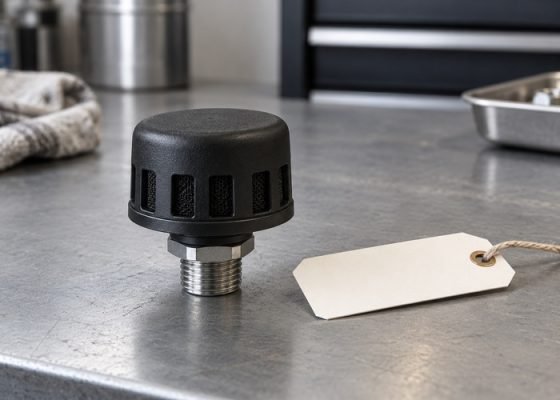
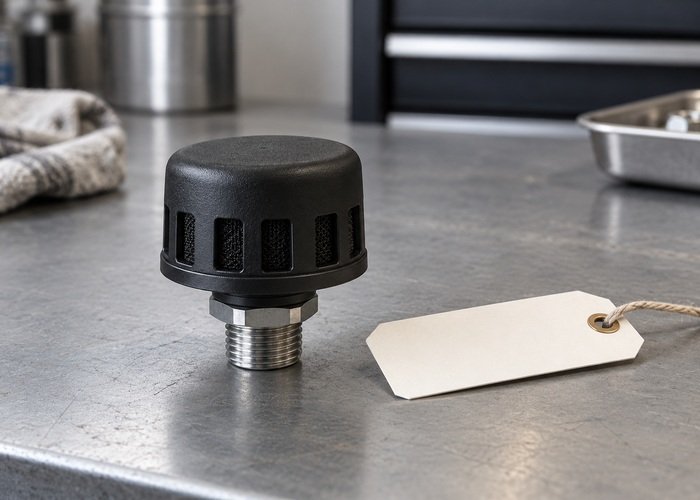
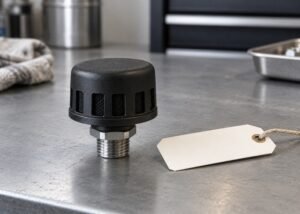
A mini excavator reservoir breather is part of the hydraulic system’s air-side protection. Before replacing a missing, damaged or unfamiliar cap, identify the actual assembly and confirm the machine manufacturer’s requirements. A cap that screws into the opening is not enough evidence of suitability. Air handling, sealing and any pressure or vacuum functions need to match the specific reservoir design.
This guide helps an owner prepare a replacement enquiry and maintenance record. It does not identify a part from a photograph or provide a procedure for opening a reservoir. Use the machine manual and qualified service support for isolation, inspection and installation. Do not loosen a hot or potentially pressurized cap to investigate a symptom.
A reservoir can exchange air as its fluid level changes. The breather addresses that air path; the hydraulic system’s other filters address their assigned fluid paths. An oil filter replacement therefore does not automatically confirm that the air-side component is present, correctly specified or in acceptable condition. Keep the two maintenance questions separate.
Donaldson’s explanation of hydraulic filter functions distinguishes the locations and roles of filtration, including breathers. It is useful background for asking the right question. It does not establish a part number, service interval or retrofit approval for an individual excavator.
For the oil-side task, consult the separate mini excavator hydraulic filter replacement guide. Record exactly which component was serviced. A workshop entry reading only “hydraulic filter changed” can otherwise conceal an unresolved question about the reservoir cap or vent assembly.
Start with the machine model, serial number and the applicable parts information. Record the installed component’s visible markings and location when that can be done safely without disturbing it. A filler opening and a breather are not necessarily arranged in the same way on every machine. A previous owner’s modification also needs to be distinguished from the original design.
Ask the supplier to identify the complete assembly and the components included in the proposed replacement. The cap, sealing parts and associated hardware may need to be considered together. Do not infer a complete assembly from a listing photograph, and do not treat a matching outside diameter as confirmation of the functional specification.
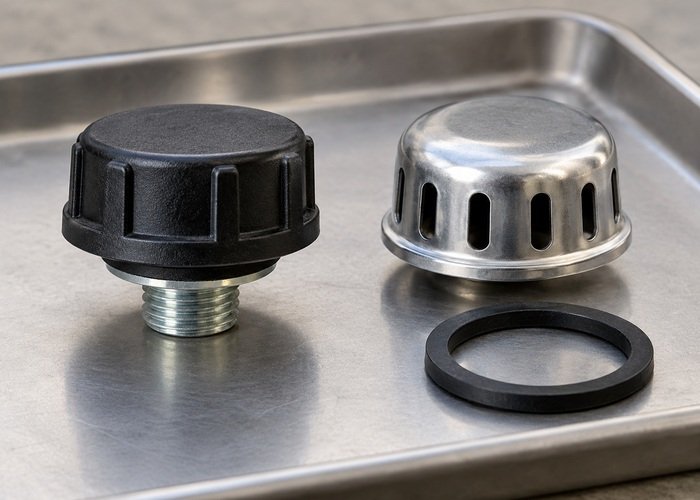
Present the replacement as an application check, not simply a request for a thread size. Ask the responsible supplier or manufacturer to confirm the required air handling and whether the reservoir uses specified pressure or vacuum features. Do not assign a universal pressure setting from an unrelated catalogue or assume that every excavator uses the same arrangement.
Donaldson’s hydraulic accessory overview shows that breathers are offered in different designs, with some incorporating pressure relief and vacuum features. That variation explains why a generic cap comparison is insufficient. The exact machine requirement must come from the applicable documentation and an accountable application decision.
Do not substitute a sealed cap, remove a valve, drill an opening or add an improvised vent to resolve uncertainty. Such changes require an engineering decision about the system, not a guess based on the appearance of the original cap. If the original specification cannot be established, record the uncertainty and obtain qualified support before returning the machine to service.
Tell the service provider whether the excavator works in dusty conditions, experiences frequent washing or moves between markedly different environments. Also report known exposure to water and any existing maintenance observations. These details support an assessment; they do not prove that a particular moisture-control breather is approved for the machine.
Particle filtration and moisture protection are distinct selection questions. A product advertised for one function should not be assumed to provide the other. Ask for the documented capability of the proposed component, its installation constraints and the approved maintenance requirements. Avoid transferring a performance number from a different size or product family to the replacement under consideration.
If an upgrade is proposed, keep the approval separate from the original replacement request. The response should identify the exact assembly, the intended application and any changes required. A general claim that a premium breather is “better” does not answer whether it preserves the reservoir’s required behavior or can be maintained correctly in its new position.
| Record | Question to resolve | Evidence to retain |
|---|---|---|
| Machine identity | Which serial-specific assembly applies? | Model, serial and applicable parts reference |
| Installed component | Is this the original specified arrangement? | Visible markings and safe context photographs |
| Air and pressure duties | What functions must the replacement preserve? | Manufacturer or qualified supplier confirmation |
| Environment | Does the proposed specification suit the recorded exposure? | Application details and documented approval |
| Service scope | Which seals, hardware and checks are included? | Quotation, supplied part identification and service record |
Use photographs to preserve identification and context, not to substitute for a technical approval. Photograph accessible markings only under safe conditions. Do not remove guarding, reach near moving components or open the reservoir just to improve a picture. A technician can decide what additional inspection is appropriate under the machine’s instructions.
Ask the quotation to state what remains unconfirmed. If a supplier requires a missing serial reference or cannot verify a previous modification, resolve that gap before accepting a substitute. This also gives the installer a clear record of which part was approved and why, rather than leaving the decision to a package that merely looks similar.
Cloudy oil, leakage, unusual noise or reduced performance should be reported to a qualified technician with the circumstances in which they occurred. None of those observations alone identifies a failed breather. Do not replace a cap and assume that a contamination or performance complaint has been solved without the investigation and checks appropriate to the machine.
IL HSE maintenance guidance supports planned maintenance and suitable arrangements for safe work. Apply the machine’s specific instructions when the reservoir needs attention. Do not use this article as authority for a pressure release sequence, disassembly method or live diagnostic test.
If oil condition needs assessment, the hydraulic oil analysis guide explains how to frame that separate enquiry. Keep the sample information and technician’s findings with the breather service record. Replacing an air-side component does not remove contaminants already present or establish the source of an abnormal sample.

Have the work planned by a competent person using the applicable instructions. The plan should address access, isolation, contamination control and the checks required after the approved replacement. Avoid turning a parts enquiry into an improvised service procedure. Installation details such as torque, seal treatment and replacement intervals belong to the specific documentation.
Before installation, compare the delivered identification with the approved order and clarify any substitution. Keep protective packaging intact until the component is needed under the service plan. Record separately any damage, missing item or uncertainty that prevents acceptance. Do not force an unfamiliar part into the mounting arrangement to see whether it fits.
After work, document the part actually fitted, the date, the responsible service provider and the checks completed. Record unresolved defects and any restrictions on use. A receipt for a new cap proves a purchase; it does not establish that an unrelated leak, contamination concern or operating fault has been corrected.
Continue to control other entry points for contamination. The separate hydraulic oil transfer guide addresses handling during filling. Treat clean filling, appropriate oil-side filtration and the approved air-side assembly as separate parts of the maintenance plan, each supported by its own instructions and records.
Keep the approved part reference with the machine record so that the next enquiry does not start from an unidentified cap. If the manufacturer changes the part reference, retain the confirmation linking the replacement to the original application. This is especially helpful when machines move between rental fleets or service providers.
When reporting a later concern, distinguish a new observation from one already recorded before the replacement. Include the date and operating context without guessing the cause. A clear sequence of observations helps the technician decide what to inspect and prevents the presence of a new part from being mistaken for proof that the entire system was checked.
No. Thread engagement does not confirm the required air handling, sealing or pressure-related functions. Obtain application confirmation for the specific machine and assembly.
No. They serve different paths in the system. Identify which component is due for attention and record the work actually completed.
Do not make that assumption. Ask the manufacturer or qualified service provider to assess the environment and approve a specific compatible arrangement.
No. Report the observation and arrange the appropriate investigation. Do not use appearance alone to diagnose the source or to declare the system fit for work after a cap replacement.