Telephone/WhatsApp:+86 156 2656 0610

Telephone/WhatsApp:+86 156 2656 0610
Email:info@seekmach.com

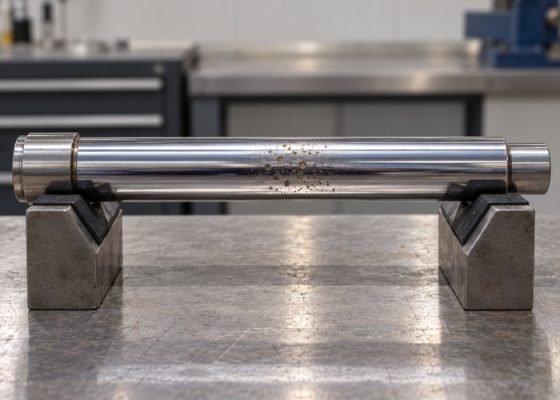
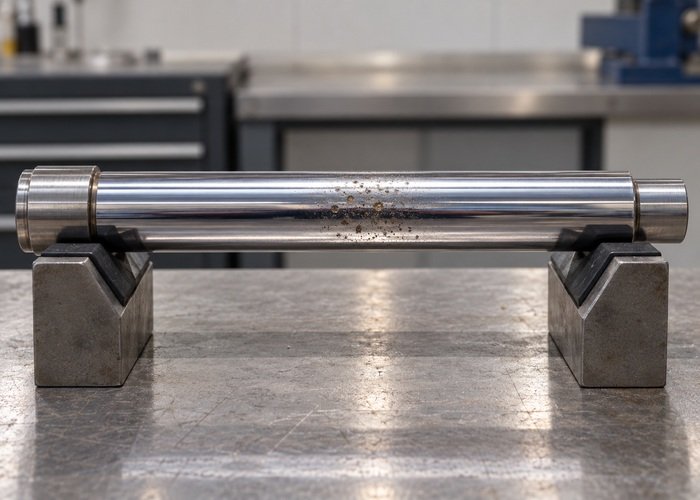
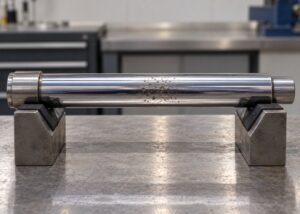
Visible pitting on a mini excavator cylinder rod is a reason to document the condition and request a qualified assessment. A photograph cannot establish whether the cylinder needs a reseal, rod reconditioning or complete replacement. Start by identifying the cylinder, recording what can be observed safely and separating the visible surface condition from any operating complaint.
This guide prepares an inspection and repair enquiry. It does not supply wear limits, a polishing method or a cylinder-removal procedure. Do not move equipment, reach beneath an unsupported attachment or release hydraulic connections to obtain a better photograph. Use the exact machine instructions and an authorized service provider for access, isolation and examination.
Record whether the observation is rust staining, apparent small pits, scoring, a dent or another visible change. Use ordinary descriptive language if the condition has not been inspected. “Small dark marks on the visible rod surface” is more useful than an unsupported claim that the entire cylinder is internally damaged.
Note the cylinder’s position on the machine, the date and the circumstances in which the marks were noticed. Identify whether the observation followed storage, a known impact or routine inspection, while keeping uncertain history explicit. A sequence of observations helps the technician decide what further checks are needed.
Do not make a severity classification from the apparent colour or the size of a mark in an unscaled photograph. Lighting, reflections and surface deposits can affect what a picture shows. An enquiry should preserve the evidence without pretending that the owner has already measured an acceptance limit.
Caterpillar’s hydraulic cylinder repair guidance describes surface damage as a possible route for contamination. Pitting, scoring or denting can hold contaminants that may be carried towards the cylinder as the rod moves. That mechanism supports taking the observation seriously; it does not prove the internal condition of this particular cylinder.
The separate Donaldson explanation of hydraulic contamination provides broader contamination context. An inspection request should ask what evidence is needed to assess the affected system. Do not turn a general description of contamination into a diagnosis from one photograph.
Keep the distinction between cause, observation and consequence visible. A technician may need to inspect the rod, seals, wiper and other relevant components before deciding on repair. The owner can help by supplying accurate history and accessible identity information rather than assuming which component failed first.
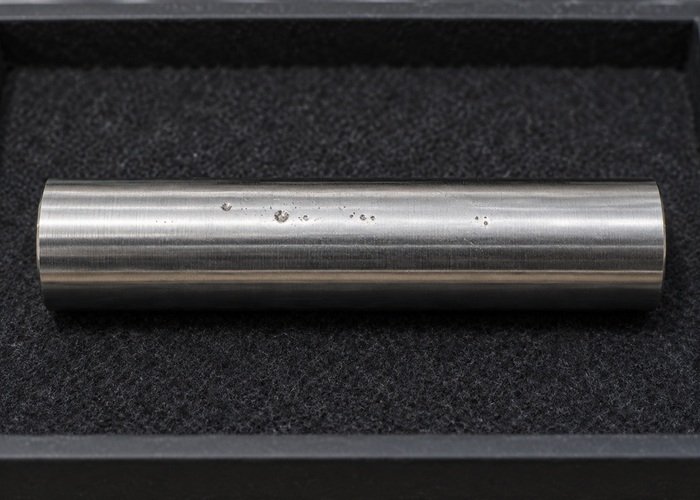
A visible rod mark and an attachment that changes position are different observations. Report both if present, but do not assume that one establishes the cause of the other. The technician needs the actual operating circumstances and the appropriate diagnostic process for the machine.
IL cylinder drift guide addresses that separate complaint. Do not create a test by leaving a raised attachment unsupported or entering its movement area. A useful history records what was observed during normal authorized activity without reproducing a hazardous condition for the enquiry.
Likewise, leakage should be reported separately from the appearance of the rod. Record where fluid was noticed and whether the machine has already been taken out of use. Do not trace a pressurized leak with a hand or attempt to tighten a connection as an informal diagnostic step.
Arrange access with the person responsible for the machine. The applicable instructions determine parking, isolation, support and any movement needed for an inspection. The requirement is a safely accessible observation, not a perfectly exposed rod obtained by improvising the machine’s position.
IL HSE hydraulic injection injury alert explains why high-pressure fluid hazards need serious attention. It is an existing safety alert, not a report of a new incident involving this machine. Use it as hazard context and follow qualified service arrangements for hydraulic work.
If a clear view cannot be obtained safely, say so in the request. The service provider can plan the necessary inspection. A limited photograph with an honest description of its limits is preferable to an unapproved movement, connection release or unsupported access.
Record the machine model and serial number and any visible cylinder identification. State which cylinder is involved and include an accessible context view if available. A machine may contain several cylinders, and an attachment or replacement fitted later may not match the original parts listing.
Use the spare-parts identification guide to organize existing references. Do not infer an approved replacement from a cylinder that looks similar or from approximate external dimensions. An accurate identity is needed before the supplier can resolve repair or replacement options.
Tell the provider about previous resealing, rod repair, replacement or unknown service history. Retain any earlier invoice or part reference. If those records refer to another cylinder or another machine, label them accordingly rather than allowing a fleet document to stand in for this component’s history.
| Articolo | Useful record | What remains for qualified assessment |
|---|---|---|
| Identity | Machine serial, cylinder position and accessible markings | Exact assembly and applicable service information |
| Surface observation | Context and close views with date | Damage type, extent and approved acceptance criteria |
| Other symptoms | Separate leakage or drift observations | Cause and appropriate diagnostic checks |
| History | Storage, impacts and previous work where known | Relevance to the current condition |
| Work scope | Requested inspection and availability constraints | Repair options, checks and return-to-work decision |
Keep the original photographs as well as any annotated copies. State what an annotation identifies without drawing a measurement or wear boundary that has not been established. Avoid editing the appearance to make a mark seem clearer if that could change the evidence being assessed.
A useful request can be concise: identify the cylinder, describe the observation, list any separate symptoms and ask what inspection is necessary. Include what cannot yet be confirmed. This gives the workshop a starting point without forcing it to accept an owner’s diagnosis as the work instruction.
Request an assessment before authorizing a particular repair. Ask which components will be inspected and how the proposed work relates to the findings. A reseal, rod repair and replacement are different scopes. The appropriate choice depends on the actual condition and applicable technical requirements.
Do not polish, fill, grind or otherwise alter the rod to improve its appearance before the assessment unless the responsible service provider directs an approved action. A cosmetic change can remove useful evidence and does not establish a serviceable surface. This guide provides no home repair recipe.
Ask the quotation to distinguish confirmed work from possible additional work that depends on inspection. Record how a change in scope will be approved. Costs, parts availability and downtime need a current supplier response; this article makes no general estimate or warranty promise.

After authorized work, retain the inspection findings, the components actually serviced and the checks completed. Identify the machine and cylinder clearly. Record unresolved issues separately so a new seal or replacement rod is not interpreted as proof that every hydraulic complaint has been investigated.
IL HSE maintenance guidance supports planned, competent maintenance and current records. Apply the actual machine instructions to the work. A general guide cannot establish a pressure test, support arrangement or inspection interval for every cylinder.
Add the outcome to the machine’s maintenance history and communicate any restrictions to the people responsible for its use. If a later concern appears, record the new observation with its date and context. Comparing clear records can support the next assessment without inventing a remaining-life prediction.
When planning storage after repair, ask the service provider about the manufacturer’s preservation requirements for the actual machine and cylinder. Do not treat a general corrosion concern as permission to apply an unspecified coating. Keep approved protection and subsequent removal or inspection requirements with the job record.
Give the workshop the identified evidence pack before arranging transport or removal. Ask whether it needs the complete machine or a component removed under an approved service plan. Do not assume the owner must detach the cylinder to obtain an initial assessment.
Keep the planned service in the machine maintenance record, including who will resolve outstanding questions. Record the machine status while work is pending, so another crew does not mistake a quotation request for a completed repair or a release to operate.
No. Obtain a qualified assessment of the actual condition and applicable repair options.
No. It documents appearance and location. The service provider must use the relevant inspection criteria.
No. Report each observation separately and arrange the appropriate checks.
Do not alter the surface to create an apparent repair. Preserve the evidence and ask for an approved assessment and work scope.