Telephone/WhatsApp:+86 156 2656 0610
Telephone/WhatsApp:+86 156 2656 0610
Email:info@seekmach.com

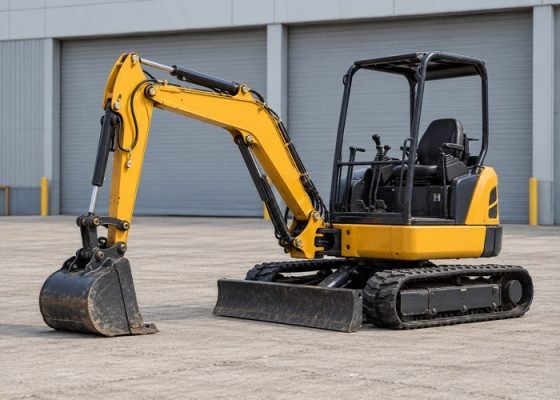
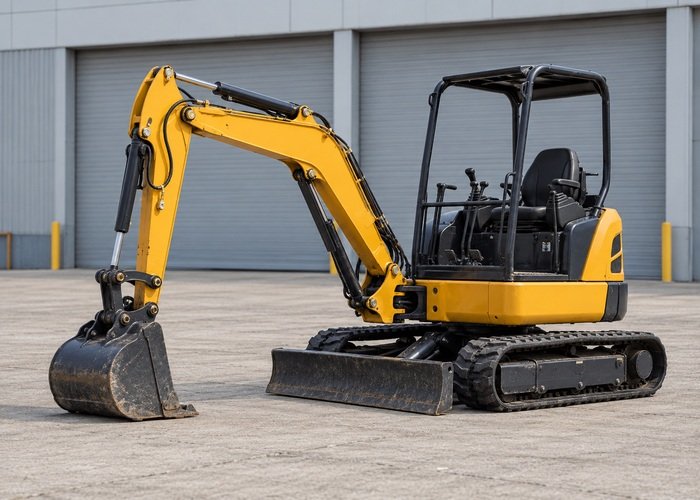
Physical access does not establish that a mini excavator is suitable for indoor work. Identify the actual power source and task, assess the enclosure and everyone who may be exposed, and obtain a competent plan before selecting equipment. An open door, a short job or an engine described as modern is not evidence that exhaust exposure is adequately controlled.
This guide concerns the decision to bring equipment into an enclosed or partly enclosed workplace. It does not design ventilation, prescribe an air-monitoring limit or certify a particular machine for indoor operation. Resolve the job’s exposure and site requirements first, then compare the equipment that can meet them.
Ask for the exact model, engine or electric-drive information and configuration proposed for delivery. Confirm what will actually run during the task, including any separate power unit. Do not infer the fuel type from the machine’s paint, overall size or an advertisement for a similar model.
Record the documents used to identify the machine. A supplier’s description should distinguish the power source from unrelated features such as a cab, canopy or hydraulic attachment. If the delivered arrangement differs from the one assessed, refer the difference for review before use. A substitution can change the basis of the exposure plan.
HSE’s construction diesel-exhaust guidance describes diesel exhaust as a mixture of gases, vapours and particles. An assessment limited to one visible emission or one gas does not automatically cover the mixture. The source is UK guidance; check the requirements applicable to the actual workplace.
Give the competent assessor a useful description of the building, work location and connections to other occupied areas. Include basements, pits, internal partitions and areas where people may work nearby. Explain whether doors or temporary openings are expected to change during the shift.
Describe actual activities rather than a general label such as warehouse work. Digging, travelling, waiting and using a powered attachment can create different demands. Include the anticipated work pattern, other equipment and the people whose duties bring them into the area. The assessor needs the complete situation, not only the excavator’s engine designation.

Ask whether the work can be performed from outside, by a different method or with suitable equipment that avoids the relevant exhaust source. Resolve practical constraints such as access, working reach and material handling alongside the exposure question. Do not assume that a proposed alternative is suitable solely because one hazard has been reduced.
IL electric mini excavator buying guide addresses runtime, charging and procurement questions. Those are different from an indoor exposure assessment. An electric machine avoids its own combustion tailpipe emissions during use, but the task can still involve dust, other nearby engines and additional site hazards.
When evaluating an alternative, ask which assumptions change and which remain. A new power source may require a different charging arrangement or work schedule. Keep those matters in the project plan rather than accepting a broad indoor-ready label as a complete explanation.
Do not select a fan by guesswork or treat a building’s large volume as proof of adequate ventilation. Have the appropriate specialist define the controls for the equipment, task and space. The plan should identify how effectiveness will be established and what action is required if the arrangement cannot be maintained.
HSE’s workplace diesel-exhaust control guidance provides established background for managing these emissions. It supports a structured discussion of prevention and controls. It is not a ready-made ventilation design for a particular room, engine and attachment duty.
Ask how the proposed arrangement affects adjacent occupied areas and air intakes. Include installation, inspection and maintenance of any specified equipment. A contractor should know who confirms that the controls are ready before the engine starts and who is responsible for problems while the task is underway.
| Question | Evidence to establish | Decision owner |
|---|---|---|
| What equipment will run? | Actual power source, configuration and supporting documents | Supplier and site planner |
| Who could be exposed? | Work pattern and occupied connected areas | Responsible exposure assessor |
| Can the source be avoided? | Alternative method or suitable equipment review | Project team |
| How will controls be verified? | Specified checks and monitoring where required | Competent specialist |
| When must work pause? | Clear loss-of-control and change-review arrangements | Named supervisor |
Keep confirmed facts separate from unresolved matters. Record which equipment and work conditions the assessment covers. If a question is still open, identify who must answer it and whether the activity remains prohibited until then. A completed equipment booking should not make the record appear complete when the exposure decision is outstanding.
An indoor project may also involve a pit or excavation. Review that feature explicitly rather than assuming that a decision about the main room covers every location. Explain where the machine and any separate power unit would stand, and where people need access. The work arrangement must address the actual geometry and activity.
HSE’s excavation guidance identifies hazardous fumes as a planning issue. Its relevance here is that additional features can change the assessment. The page does not authorize an engine to operate in a pit or provide a universal ventilation arrangement for an enclosed excavation.
List generators, delivery vehicles and other combustion equipment that may run nearby. Keep their activities connected to the assessment and work schedule. A decision to use an electric excavator does not account for a separate engine operating beside an opening or in an adjacent work area.
Ask the competent assessor what observations, tests or measurements are needed for the job. Establish who performs them, how the results are recorded and who interprets them. A monitor is useful only within an appropriate system that addresses the relevant hazards and specifies what happens when results or conditions are unacceptable.
Do not use smell, absence of smoke or a single casual reading as proof that the task is safe. Equally, a maintenance invoice does not demonstrate the effectiveness of the workplace controls. Keep equipment condition, exposure assessment and the decision to authorize work as separate documented matters.
Identify the person who confirms readiness and the conditions that require the affected activity to pause. Include equipment changes, loss of specified controls and changes to the enclosure or work pattern. Explain how the supervisor contacts the responsible specialist and how restrictions are communicated to other workers.
Keep emergency arrangements appropriate to the site’s assessed hazards. Do not send an untrained person into an affected space to investigate or rescue someone. Use the established emergency process and competent assistance. This article does not provide medical diagnosis, rescue-entry instructions or a safe re-entry criterion.
The broader mini excavator safety guide addresses other operating concerns. Indoor authorization does not replace those requirements. Floor support, overhead obstructions, access, visibility and the task itself still need suitable review by the responsible people.
IL rental handover record guide can help connect the delivered machine with the job documents. Confirm the actual configuration against the one assessed. Brief the operator on the authorized work, controls and unresolved restrictions instead of relying on a generic collection form.
At shift changes, preserve the current status of the activity and the location of relevant records. Explain any change in equipment, occupied areas or openings. A message that the machine worked yesterday is not evidence that today’s conditions remain within the assessment. Refer changes for the required review before continuing.
Provide each supplier with the same task description and the information requested by the competent assessor. Ask for documentary evidence of the actual power source, configuration and operating requirements. Separate those facts from a general marketing statement that a compact machine can work in restricted spaces.
Record exclusions in each proposal. Determine whether the supplier is providing only equipment, additional documentation or a defined support service. Resolve who owns the exposure-control design and verification. A quotation should not leave the site team assuming that another party has accepted a responsibility that was never included.
No automatic conclusion follows. The equipment, enclosure, work pattern and people exposed need an appropriate assessment and effective controls.
No. Verify the actual equipment and address its emissions in the workplace arrangement. Do not infer a safe exposure from a model description.
It avoids its own combustion tailpipe source during use, but task dust, other engines and site hazards still need review. Confirm the actual supplied configuration.
The responsible competent assessor should define and interpret the required evidence within the applicable workplace arrangements. A generic article cannot certify the result.