Telephone/WhatsApp:+86 156 2656 0610
Telephone/WhatsApp:+86 156 2656 0610
Email:info@seekmach.com

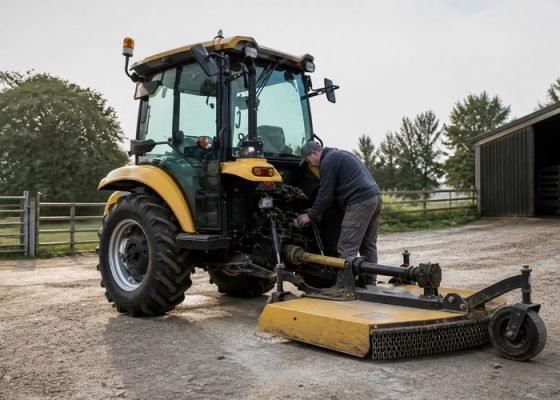
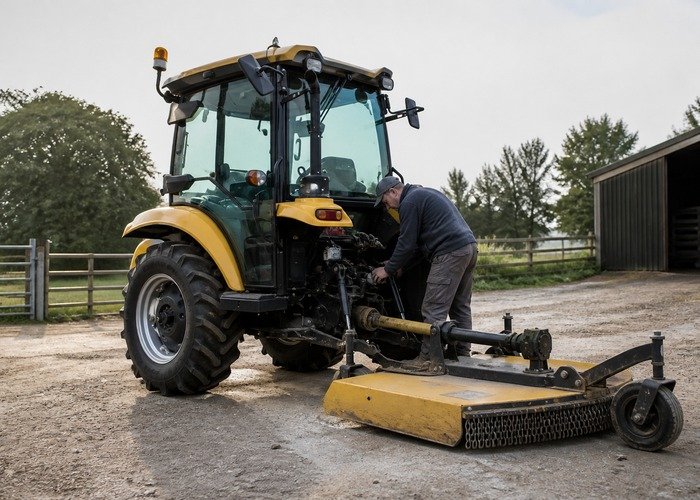
When a compact tractor PTO will not engage, the fastest safe diagnosis begins with the operating sequence and interlock state, not with a new clutch. A low battery, wrong range, seat or brake input, damaged switch, loose connector, blown fuse, failed relay, solenoid fault, linkage problem, low hydraulic pressure, or worn clutch pack can all produce the same complaint.
Lower the implement, disengage the PTO, select neutral, set the parking brake, stop the engine, remove the key, and wait for every part to stop before inspection. Keep the master shield, driveline guard and implement guard installed. Review Penn State PTO safety guidance; an exposed shaft can entangle clothing before a person can react.
Record what the tractor actually does. Does the PTO lamp illuminate? Is there a click? Does the shaft twitch, turn unloaded, stop when the seat is vacated, or show a fault code? Did the problem appear after storage, washing, battery work, implement installation or hot operation? Those details choose the next test.
Use the operator manual for engine speed, clutch-pedal position, range selector, seat position, parking brake, direction control and engagement switch. Some tractors require the operator seated; others allow stationary PTO through a separate sequence. A missed step can look like failure. Never defeat the sequence with a jumper or by weighting a seat switch.
Disconnect the implement driveline only after shutdown, then check whether the tractor-side PTO behaves differently in a manufacturer-approved no-load test. If it engages without the implement, inspect shaft length, universal-joint angle, implement gearbox, belts, rotor blockage and clutch. The three-point hitch attachment fit guide helps identify binding geometry.
Measure battery open-circuit voltage and voltage during cranking using the manual’s thresholds. A tractor may start yet drop below the controller or solenoid requirement. Clean and tighten battery terminals, frame grounds, engine ground strap and fuse-box connections. Inspect for corrosion, heat, loose pins and rodent damage rather than judging only from appearance.
Use the wiring diagram to identify the correct fuse and relay. Replace a fuse only with the specified type and rating. If it opens again, isolate the short instead of installing a larger fuse. A relay swap is valid only when part numbers and terminal functions match. Confirm power and ground under load; an unloaded test light or meter can miss resistance.
Retrieve dashboard codes before disconnecting the battery. On tractors with diagnostic data, compare live states for seat, brake, clutch, neutral, range and PTO switches. The input should change cleanly and consistently when operated. A switch that looks intact may be misadjusted or have high resistance.
Inspect connectors for water, bent pins, backed-out terminals and harness rub points. Use approved back-probing tools and avoid piercing insulation. Repair sealing and strain relief, not just the conductor. The OSHA agricultural equipment safety guide reinforces shutdown and guarding practices around powered equipment.
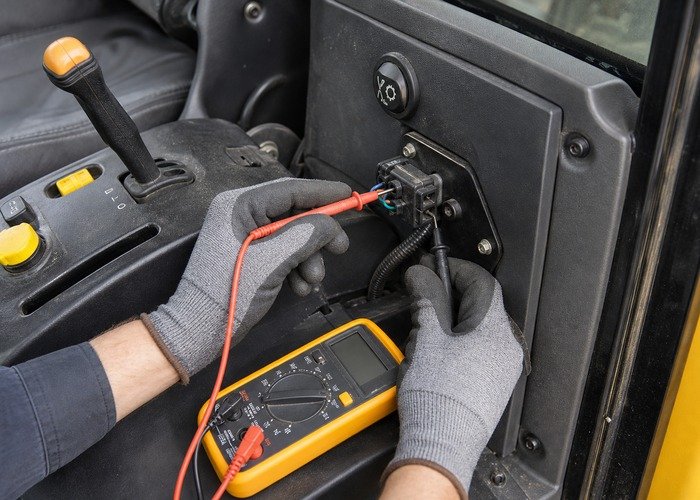
Identify whether the control is a simple switch, a multi-position safety input, or a controller request. With power isolated, measure continuity only on the specified terminals. With power on, measure supply, ground and signal without shorting adjacent pins. Compare results with the schematic rather than assuming every two-wire switch closes to ground.
If the dashboard shows a PTO request but no output to the relay or solenoid, check every permissive state and stored code before blaming the controller. If the command output exists, perform a voltage-drop test through the relay, connector and ground. Record readings at rest and during an engagement request.
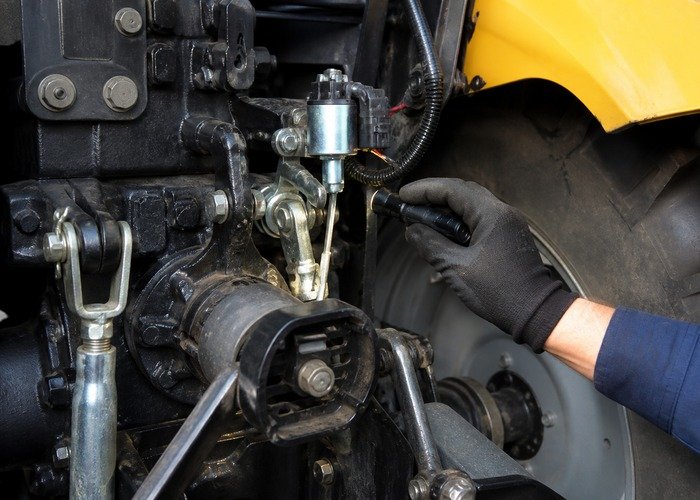
A hydraulic or mechanical PTO may use a solenoid to move a valve, a cable or rod to move a fork, or both. Listen for a consistent click, then inspect connector retention, coil resistance, current draw and commanded voltage against the manual. An open coil, shorted coil, sticky plunger or blocked valve may need service.
With the engine off, examine external linkage for bent rods, seized pivots, loose set screws, worn holes, missing clips and insufficient travel. Do not force an internal fork. Lubricate only specified points because excess grease can attract grit. If adjustment affects clutch clearance or brake release, use the exact dimension and sequence.
Wet PTO clutches depend on correct transmission or hydraulic oil, adequate level, suitable temperature, clean filtration and regulated clutch pressure. Verify oil on level ground using the specified engine state. Wrong fluid, foaming, overheating, a restricted filter, pump wear or internal leakage can prevent full engagement.
Pressure testing requires the correct port, rated gauge, oil temperature, engine speed and command sequence. Low pressure may originate at the supply, regulator, solenoid valve, clutch piston or seals. Normal command voltage does not prove normal pressure. Consult the manufacturer service data or the tractor PTO troubleshooting overview for the kinds of evidence technicians compare.
A shaft that never moves differs from one that rotates without load but stops in grass or soil. The second symptom is load slip, overload, implement clutch adjustment or driveline drag. Use the tractor PTO clutch slipping guide to compare engine rpm, PTO speed, implement speed, clutch marks and heat.
If the tractor uses an implement slip clutch or shear bolt, verify the implement protection separately with the slip clutch versus shear bolt guide. Never tighten a protection clutch until the implement turns; excessive torque can transfer damage into the tractor or gearbox.
Internal clutch or brake work is justified only after the command, voltage, linkage and pressure path is proven. Evidence may include correct electrical request, full valve movement, specified pressure, abnormal case leakage, debris, burnt odor, inability to transmit torque, or failure to stop. Architecture varies widely among independent, live and transmission-driven PTO systems.
Splitting a tractor or opening a clutch housing needs rated stands, lifting equipment, cleanliness, measurement tools and model-specific procedures. A loader and jack are not safe supports. Inspect related seals, bearings, brake plates and oil contamination so a new clutch is not installed into the cause of the failure.
Test engagement and disengagement at low engine speed in a clear area with all guards fitted. Confirm the indicator, shaft start, stop time, abnormal noise, heat, leakage and codes. Then connect a compatible implement and add load gradually. Never stand beside the driveline to watch it.
Record battery voltage, input states, solenoid voltage and current, clutch pressure, oil temperature, adjustment, parts and final result. Add periodic guard, shaft and lubrication checks from the tractor attachment maintenance checklist. A baseline shortens the next diagnosis.
Draw the engagement chain on one page: operator control, safety inputs, controller, relay, solenoid, valve or linkage, clutch pressure, clutch pack, brake and output shaft. Beside each item, write the expected state and measured state. This stops diagnosis from jumping directly from a dashboard lamp to an internal clutch.
For electrical tests, record battery voltage, supply voltage at the control, voltage at the solenoid during command, ground-side voltage drop, coil resistance at a known temperature and current draw. Resistance alone is not enough; a coil may measure plausibly yet fail hot, and a corroded connector can show battery voltage until load is applied. Use fused test leads and the specified terminals.
For hydraulic tests, record oil identification, level, temperature, engine rpm, test-port location, gauge range, standby pressure, engagement pressure and decay. The tractor PTO diagnostic manual section is an example of how service literature connects symptoms to pressure and mechanical checks. Its values apply only to the covered equipment.
Inspect the implement before a load test. Check the gearbox, bearings, belts, blade carrier, rotor and driveline by the implement manual. The Ohio State PTO safety guide explains shielding, shaft overlap and correct speed selection. A seized implement can make a good tractor PTO appear unable to engage, while an incorrect shaft can bottom out and damage bearings.
If the system engages but will not disengage, treat that as a separate serious fault. Possible causes include a stuck valve, welded relay, seized linkage, warped clutch plates or a failed brake. Lower the implement, stop the engine and keep people away until the driveline stops. Never attempt to knock a rotating control free.
When parts are replaced, compare old and new connector keys, coil ratings, linkage length, seal orientation and clutch-plate stack. Prime or bleed the circuit as specified. A correct part installed in a contaminated housing or adjusted without clearance can fail immediately.
Close the job with three checks: reliable engagement, reliable disengagement and correct stop time. Repeat cold and warm, then under a properly matched implement load. Document every setting so later maintenance does not erase the successful baseline.
Add a short operator interview to the record. Ask which implement was connected, whether the shaft stopped suddenly or gradually, what the indicator did, how long the tractor had worked, and whether another control was moved at the same time. Operators often remember a click, warning, smell or temperature change that does not appear during a cold shop test.
Check service history for battery replacement, transmission-oil change, controller update, clutch adjustment or recent harness repair. A new symptom immediately after another job may identify a loose ground, wrong oil, pinched wire or changed adjustment. Correlation is not proof, but it provides a focused inspection point.
Before returning the tractor, label repaired connectors and route the harness through original clips away from heat, sharp edges and hitch motion. Refit every shield and access panel. Have the operator demonstrate the normal start, engage, disengage and shutdown sequence so the repair includes safe use, not merely a passing workshop measurement.
Schedule a warm follow-up check after the first normal work cycle. Recheck oil level, leaks, harness security, engagement time and stop time, and compare them with the recorded baseline before closing the service case. If the implement is hydraulically powered rather than PTO-driven, use the tractor hydraulic flow and attachment guide so the two systems are not confused.
| Observation | Likely area | Next check |
|---|---|---|
| No lamp and no click | Sequence, fuse, switch or interlock | Codes and live inputs |
| Lamp on, no solenoid voltage | Relay, wiring or controller permissive | Loaded voltage-drop test |
| Voltage present, no movement | Solenoid, valve or linkage | Current, travel and pressure |
| Shaft turns only unloaded | Slip, overload or driveline drag | Load-path comparison |
| Works cold, fails hot | Pressure, leakage or coil resistance | Temperature-controlled readings |
This video demonstrates a tractor PTO complaint and the checks used to narrow it. Treat the sequence as an example because wiring, interlocks and engagement systems differ by model.
Keep guards installed and the implement lowered. Use the correct wiring diagram and meter connection before energizing a circuit.
A visible click is not proof of sufficient valve travel or clutch pressure. Continue to measured evidence.
After viewing, write your own symptom chain: operator request, permissive inputs, controller output, relay, solenoid movement, hydraulic pressure and clutch response.
Stop if a test requires bypassing an interlock or approaching a rotating shaft. Those shortcuts remove protection and can conceal the true fault.
Repeat the original load condition only after low-speed engagement and stop behavior pass.
Yes. Cranking or charging voltage can be sufficient for the engine yet unstable for a controller or solenoid. Test voltage under the PTO command.
No. Read the switch state and test it according to the schematic; bypassing a safety interlock creates a serious hazard.
The solenoid may move without adequate valve travel or pressure, or the linkage, clutch, brake or implement may be stuck.
On many tractors it does, but not all. Use the model manual for reservoir, oil grade, level and test procedure.
Obtain qualified service for internal clutch work, low pressure, controller faults, repeated fuse failure, unsafe stop time, debris, smoke or any procedure requiring tractor separation.