Telephone/WhatsApp:+86 156 2656 0610
Telephone/WhatsApp:+86 156 2656 0610
Email:info@seekmach.com

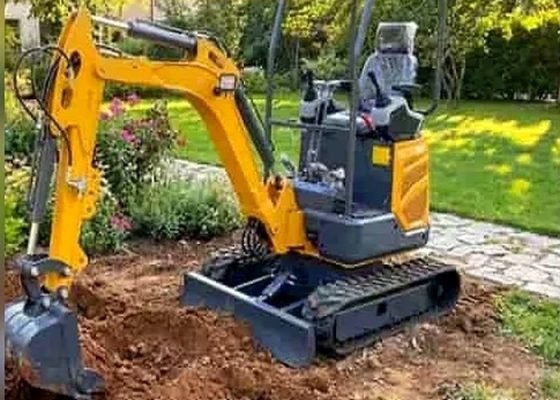
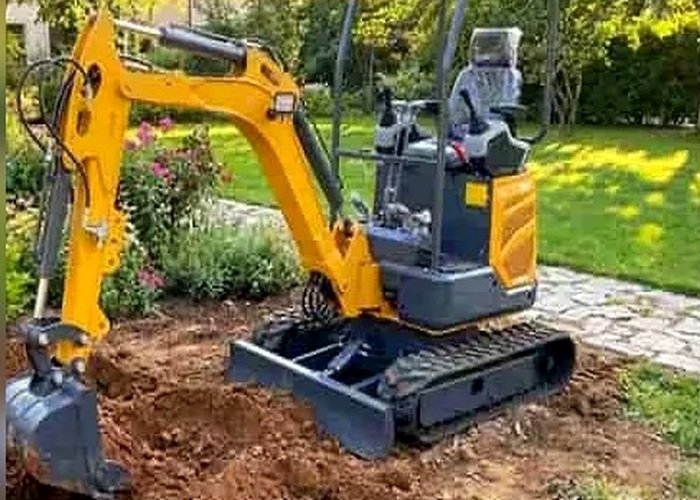
A backyard drainage problem rarely looks serious at first. One low corner stays wet after rain. A garden path gets muddy. Water sits beside a shed or creeps toward a patio edge. You wait a day, then another, and the same patch is still soft. At that point, a trench starts to sound simple: bring in a mini excavator, open a clean line, add the drainage material, backfill, and move on.
The job is usually not that simple once you stand in the yard. There may be a narrow gate, a stone path, flowers close to the trench line, soft grass, tree roots, a fence corner, and nowhere obvious to pile the soil. That is why choosing and using a mini excavator for backyard trenching should begin with the site, not the machine. A compact excavator is useful because it can work in tight places, but it still needs a plan.
This guide is written for homeowners, landscapers, small contractors, and property owners who want to solve drainage or garden trenching work without turning the whole yard into a repair project. If you want to compare equipment while reading, start with the SeekMach excavator category, but keep your own yard in mind. The best machine is the one that fits the scene in front of you.
Before you think about bucket size, walk the wet area after rain. Look at where the water collects, where the ground slopes, and where water could safely go. A drainage trench is not just a hole. It is a route. If the route sends water to the wrong place, the machine may finish the digging perfectly and still leave you with a bad drainage result.
Mark the start point, the outlet, and any turns. Notice tree roots, irrigation, landscape lighting, paving edges, steps, and fence posts. If you do not know where underground utilities are, stop and check before digging. Even a small excavator can cause expensive damage quickly.
For the basic idea of how a French drain moves water, Better Homes & Gardens has a plain-language French drain guide that is useful for homeowners. For excavation safety habits, OSHA’s trenching and excavation guidance is also worth reading, especially before anyone works near an open cut.
A mini excavator can be compact and still be wrong for a yard. The access route decides more than many buyers expect. Measure the narrowest gate, then measure the turn after the gate. Check whether the machine has to pass beside a wall, fence, hedge, raised bed, or paved edge. Look up too. Low branches, roof lines, and garden arches can create problems before the machine even reaches the trench.
After that, think about the exit route. A common mistake is planning how the excavator enters but not how it leaves after the trench is open and the soil pile is in the way. The machine should not have to climb over its own spoil pile or turn sharply on a soft lawn just to get out.
This is where a compact machine earns its place. It can work close to a garden edge and move carefully around finished areas. But the operator still needs enough space to see the bucket, swing safely, and place soil without blocking the next move.
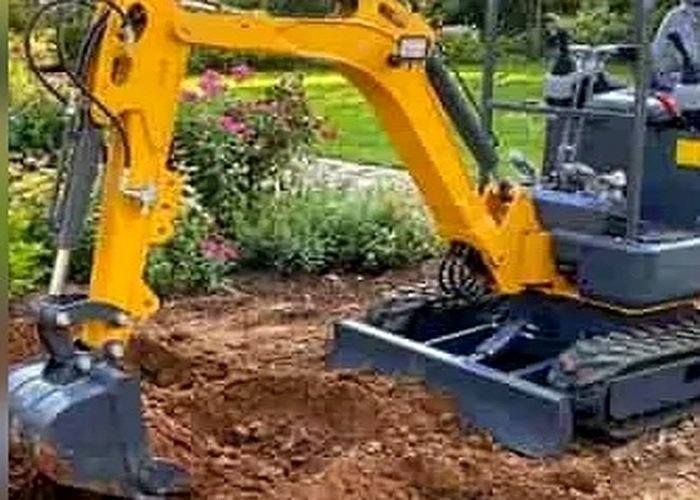
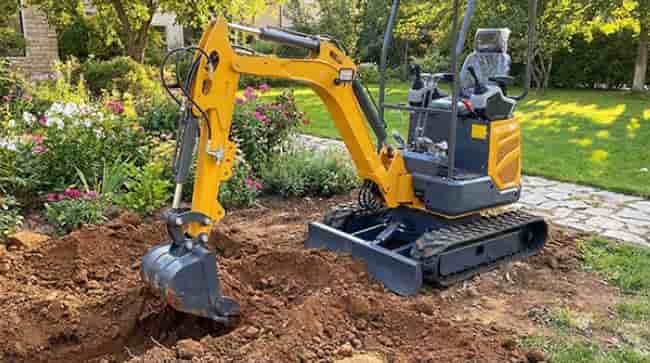
Imagine a backyard with a stone path on one side and a planting bed on the other. Water collects near the path after storms and slowly spreads into the lawn. The plan is to open a shallow trench beside the path, install drainage material, and lead the water toward a lower gravel area. The access gate is just wide enough for a compact excavator, but there is not much room to turn.
In that scene, the best mini excavator is not the biggest one. It is the machine that can enter without damaging the path, sit close enough for the operator to see the trench line, dig in short controlled sections, and place soil where it can be reused for backfill. The operator may work slowly, but the yard stays under control.
That is the main difference between a clean trenching job and a messy one. The clean job is planned around movement. Where does the machine sit? Where does the bucket swing? Where does the soil go? Where does the operator move next? If those answers are clear, the work feels calm.
| What to check | Why it matters | What a good answer looks like |
|---|---|---|
| Gate and side access | The machine must reach the trench without scraping or turning awkwardly. | Enough width plus turning room after the gate. |
| Trench outlet | Water needs a safe place to go. | A lower area or approved drainage point that does not create a new problem. |
| Soil pile location | Removed soil can block the route. | A planned pile area away from the trench edge and exit path. |
| Bucket width | Too wide means extra damage; too narrow may slow the job. | A trench width that fits the pipe, gravel, and backfill plan. |
| Ground condition | Wet lawns rut easily. | A route that avoids soft spots or uses surface protection when needed. |
| Cleanup plan | The job is judged after the machine leaves. | Backfill, grade, path cleaning, and final inspection are planned before digging. |
This table is simple, but it prevents most avoidable trouble. A buyer who can answer these questions will choose equipment more clearly than someone only comparing machine weight and digging depth.
Maximum dig depth matters, but backyard drainage usually depends more on control than on extreme depth. The trench needs the right fall, a clean base, and enough space for drainage material. If the excavator is working at its absolute limit, the operator has less room to shape the trench neatly.
A little working margin is helpful. It lets the bucket angle properly, keeps the machine from constantly repositioning, and gives the operator more confidence near paths or beds. Reach also matters. If the machine can reach the trench line without driving onto fragile ground, the job becomes easier.
This is why the question should not be, “Can it dig deep enough?” The better question is, “Can it dig the needed trench while sitting where the yard allows it to sit?”
The bucket decides how much soil comes out. A wide bucket may look efficient, but it can remove too much material and leave a larger scar in the lawn. A narrow trenching bucket may reduce cleanup, especially for drainage pipe or narrow garden lines. A grading bucket can help later when smoothing backfill or shaping soil around the finished trench.
If your work includes more than one job type, ask about bucket changes and coupler setup. A machine that can change tools easily is more useful for landscapers and property owners who move between trenching, small grading, ditch cleaning, and garden bed work.
Itu SeekMach excavator application solutions page can help you think by work scene instead of only by product type. Backyard drainage, small demolition, ditch cleaning, and landscaping all need slightly different setups.
Before you dig, watch a real drainage trenching workflow rather than only reading about it. This related YouTube video is useful because it shows the kind of movement that matters in small drainage work: mini excavator work for a DIY French drain or yard drain. Pay attention to the machine position, bucket movement, soil handling, and how the trench progresses.
Videos help because they show what written specs cannot. You can see how much space the machine really needs, how the operator handles the soil pile, and how small decisions affect the cleanup.
In a backyard, the soil pile can become the hardest part of the job. Put it too close to the trench and it may slide back in. Put it on the wrong side and the machine may have to cross it. Put it on the exit route and the excavator can trap itself. Put it on finished lawn without protection and cleanup becomes a second project.
Plan the spoil area before digging. If the trench will receive gravel, pipe, or fabric, plan where those materials will sit too. The best work rhythm is usually simple: dig a short section, place soil neatly, check the trench line, install material if needed, backfill or move forward, then repeat.
This is also where operator visibility matters. The operator needs to see the bucket edge, the trench line, and nearby finished surfaces. If the machine sits at the wrong angle, the job becomes slower and less accurate.
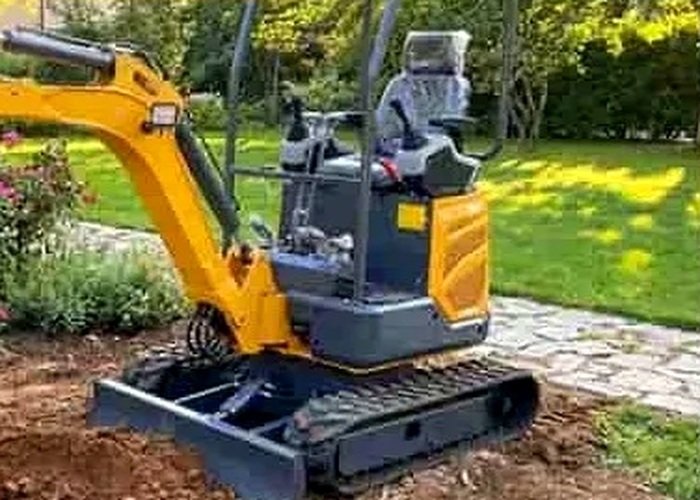
A smaller mini excavator can be the better choice when access is tight, the trench is modest, and the surrounding yard needs protection. It may not dig as aggressively as a larger machine, but it can work in places where a larger machine would create too much repair work.
This is common for garden drainage, courtyard trenching, greenhouse paths, small farmyard water control, and residential landscaping. The goal is not to win a digging contest. The goal is to finish the drainage work cleanly.
Still, do not go too small just because the machine looks convenient. Wet clay, roots, and compacted soil can make a small excavator feel underpowered. The right choice should fit the site and still have enough strength for the actual ground.
Step up in machine size when the trench is longer, the soil is tougher, the work is repeated, or the excavator will also lift and place heavier material. Contractors who do drainage, retaining walls, and landscape construction may need more reserve than a homeowner completing one backyard job.
The tradeoff is access and surface impact. A larger compact excavator may be faster in open areas but less friendly near flower beds, narrow gates, and soft lawns. If most jobs are tight and finished, compact control may matter more. If most jobs are rougher and deeper, more capacity may be worth it.
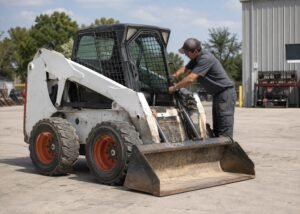
For broader equipment comparison, the SeekMach product overview helps compare excavators with tractors, skid steer loaders, and lawn mowers. If your main work is carrying material rather than digging, a pemuat kemudi selip may also belong in the plan. If the property needs pulling, mowing, and implement work, compare a traktor kompak too.
The first mistake is digging before confirming the outlet. A trench without a clear outlet may only move the wet spot from one place to another.
The second mistake is using too wide a bucket. Wider digging can mean more backfill, more lawn repair, and a more visible scar when the job is done.
The third mistake is piling soil wherever it is convenient in the moment. Soil placement should be planned before the first cut.
The fourth mistake is ignoring cleanup until the end. A drainage job should be planned backward from the finished yard. If you want the lawn, path, or garden bed to look clean after work, the digging sequence should protect that goal from the beginning.
Once the trench is backfilled, do not rush the machine away without checking the work area. Look for low spots, loose soil near the path, blocked drain ends, and ruts from the tracks. Clean mud from hard surfaces before it dries. If the excavator worked in wet soil, inspect the tracks, bucket pins, hoses, and undercarriage.
For general construction health and safety information, NIOSH construction resources Dan CPWR construction safety materials are useful references. They are not backyard design guides, but they support better work habits around equipment and excavation.
A mini excavator can make backyard trenching faster and cleaner, but only if the job is planned around the yard. Start with the water route. Measure access. Choose a bucket that matches the trench. Plan the soil pile. Watch how the machine will enter, dig, turn, and leave. Then compare equipment.
When the machine fits the real scene, the work feels controlled. That is what matters most for backyard drainage: not just getting a trench open, but leaving the property better than it was before the machine arrived. For more application ideas across SeekMach machines, visit SeekMach product application solutions.
The best size depends on gate width, trench depth, soil condition, and how much room the operator has to turn and place soil. Compact control is often more important than maximum size in finished yards.
A narrow trenching bucket can reduce extra soil removal and make cleanup easier. The bucket should match the trench width, drainage material, and soil type.
Yes. Wet ground, sharp turns, and poor travel planning can leave ruts. Plan the route, avoid soft areas when possible, and protect sensitive surfaces if needed.
Yes. A real mini excavator trenching video helps you see machine positioning, soil placement, and work rhythm before starting.
For digging and trenching, a mini excavator is usually the better tool. A skid steer loader is better when the main job is carrying, loading, or moving loose material.
Check tracks, undercarriage, hoses, bucket pins, grease points, visible leaks, and packed mud around moving parts before parking the machine.