Telephone/WhatsApp:+86 156 2656 0610
Telephone/WhatsApp:+86 156 2656 0610
Email:seekmach@gmail.com

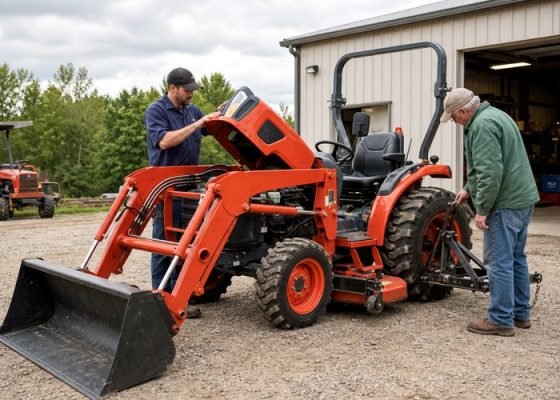
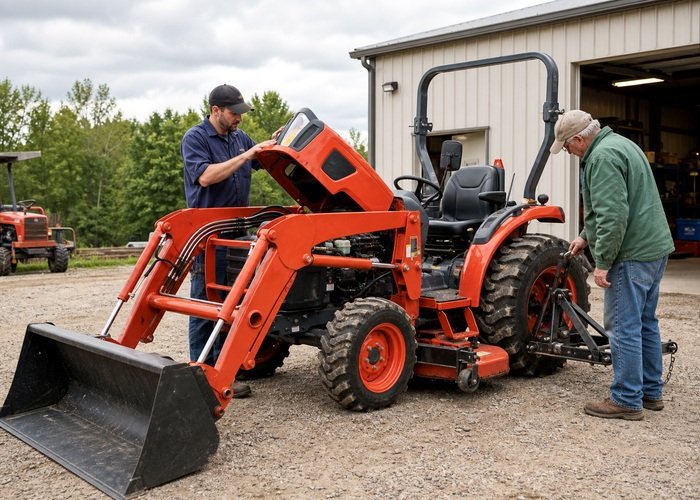
Buying a used tractor can be a smart way to get more capability for a rural property, small farm, landscaping route, or estate maintenance plan. It can also turn into an expensive repair project if the inspection is rushed. The machine may start, drive, and look clean in photos, but the real condition is usually hidden in cold-start behavior, hydraulic response, loader wear, PTO engagement, tire damage, old leaks, loose pins, and how the tractor behaves under a modest load. Use this guide as a calm, practical inspection sequence before you commit to a used machine.
The first rule is simple: inspect the tractor as a working tool, not as a parked object. A fresh wash, new paint, or polished dashboard can hide years of rough use. A dusty tractor with service records may be a better buy than a shiny machine with vague answers. If you are still deciding whether a tractor is the right machine for your work, keep the SeekMach tractor category open while reading and compare your job list against available machine types.
Before looking at hours, paint, or accessories, write down the jobs the tractor must handle. Mowing rough acreage, loader work, gravel driveway repair, garden preparation, snow movement, trailer hauling, and light land clearing all stress different parts of the machine. A tractor used mostly for mowing can age differently from one used for daily loader cycles. A tractor that spent years on a small property may have low hours but many short cold starts. A farm tractor may have higher hours but better routine maintenance.
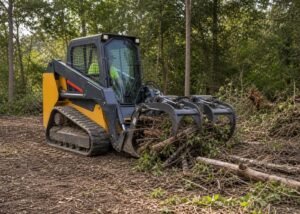
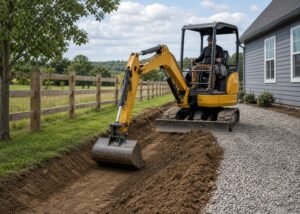
This matters because a used tractor is not only a price decision. It is a fit decision. If the machine does not match the work, every repair feels worse. Use the SeekMach product overview to keep the whole equipment picture in mind. A tractor is excellent for pulling, PTO work, and general rural utility, but an excavator or skid steer loader may be the better tool for digging, compact loading, or repeated hard-surface material handling.
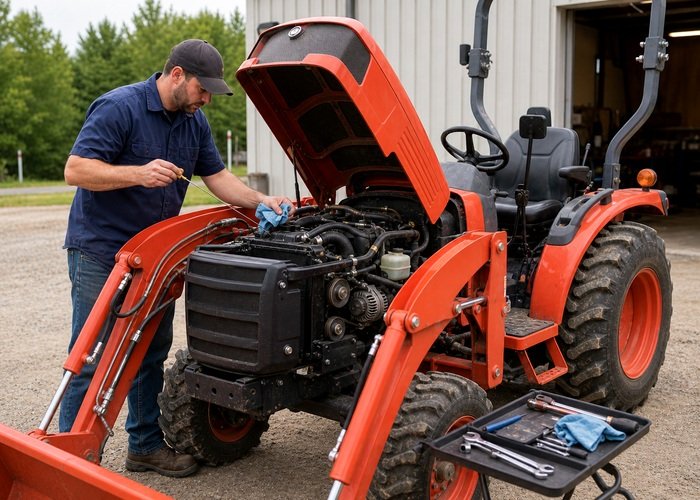
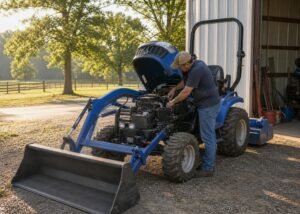
Ask to see the tractor before it has been warmed up. A warm engine can hide starting problems, weak batteries, tired glow plugs, fuel delivery issues, and compression concerns. Touch the engine carefully before the seller starts it. If it is already warm and the seller cannot explain why, slow down. A healthy cold start should not require excessive cranking, repeated sprays, or long idle time before it can move. Some brief smoke on start can be normal depending on engine type and weather, but heavy ongoing smoke deserves caution.
Listen more than you talk during the first minute. Uneven idle, knocking, belt squeal, hard vibration, or a charging warning light should be noted. Check for blow-by at the breather if accessible. Look at coolant condition and oil condition without turning the inspection into a lab test. Milky oil, coolant smell, or obvious contamination are warning signs. A clean dipstick alone is not proof of a good engine, but dirty, low, or neglected fluids tell you something about the owner.
| Inspection area | What to do | Warning sign |
|---|---|---|
| Cold start | Arrive before warm-up and watch the first start | Long cranking, heavy smoke, rough idle |
| Engine oil | Check level, color, and smell | Milky oil, fuel smell, very low level |
| Liquide de refroidissement | Inspect reservoir and radiator area when safe | Oil film, rust-colored coolant, repeated topping off |
| Charging system | Watch warning lights and listen after start | Battery light stays on, weak restart |
| Exhaust | Observe under idle and light throttle | Ongoing blue, white, or black smoke |
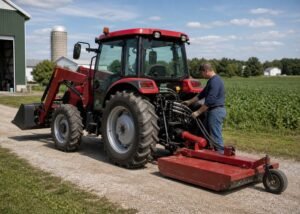
For many buyers, PTO condition is the difference between a useful tractor and a disappointing one. A tractor may drive well but still have PTO problems that show up only when an implement is attached. If the seller has a mower, tiller, spreader, or other PTO-driven implement available, ask to see engagement under a light load. The PTO should engage predictably, run smoothly, and stop as expected. Grinding, delayed response, harsh engagement, or unusual vibration should be taken seriously.
Check the PTO shaft guard area, spline condition, control linkage, warning decals, and surrounding leaks. The Wikipedia overview of a power take-off is a useful definition if you are new to the concept, but the field test is what matters during a purchase. The machine should fit your implement plans, including PTO speed, hitch category, hydraulic remotes if needed, and physical clearance.
Hydraulic weakness is often expensive because it can involve pumps, cylinders, hoses, valves, seals, contamination, or neglected fluid. Run the loader through its full range several times. Curl and dump the bucket. Raise it, lower it, hold it still, and listen. Jerky movement, squealing, foam, slow lift, or obvious cylinder drift may indicate problems. Some used tractors will have minor seepage, but wet hoses, fresh wipe marks around fittings, or oil collecting near cylinder rods deserve careful attention.
Loader pins and bushings tell a story. Lift the bucket slightly, set it safely, and look for slop in the pivot points. Excess play can mean many hours of loader work, poor greasing, or hard use with heavy material. Loader work also changes stability, so think about ballast. Penn State Extension’s tractor safety guidance is worth reading before loader work becomes routine. If loader work is your main reason to buy, compare the used tractor against the SeekMach application solutions rather than judging only by horsepower.
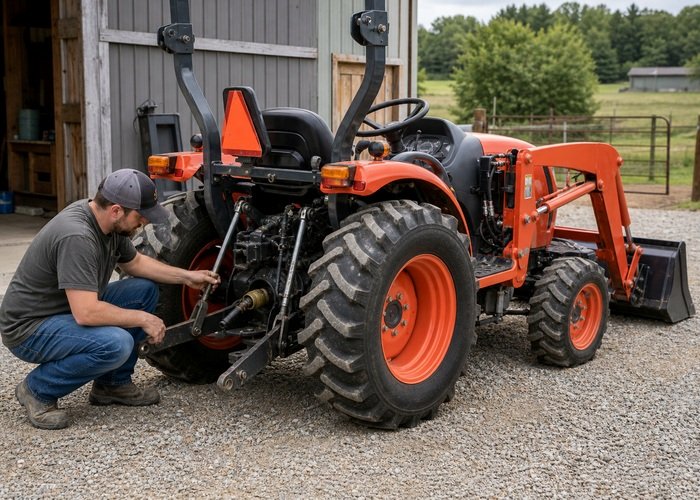
Tires are easy to underestimate because the tractor may still move with poor rubber. Replacement tires can be a major ownership cost, especially when sizes are large or fluid ballast is involved. Check sidewalls, lugs, cracking, repairs, valve stems, rim corrosion, and mismatched wear. Steering should not feel vague or jumpy. Brakes should stop the tractor evenly and predictably. If one pedal feels different from the other, ask why and test carefully in a safe open area.
Axle leaks and hub seepage are not always deal breakers, but they belong in the negotiation and repair plan. A tractor used in mud, fertilizer, manure, or corrosive environments may show rust in places that photos miss. Bring a flashlight, gloves, paper towels, and patience. A careful walkaround is cheaper than discovering a damaged rim or leaking hub after delivery.
Hours matter, but they are not the whole story. A well-maintained tractor with honest higher hours may be better than a low-hour machine that sat outside, skipped fluids, and only ran for short jobs. Ask for service receipts, filter dates, oil change notes, owner manuals, attachment manuals, and repair history. If records are missing, treat the inspection as more important, not less.
Seller answers should be specific. Vague claims such as ‘runs great’ are less useful than a clear explanation of what the tractor did, what fluids were changed, what repairs were made, and why it is being sold. The National Ag Safety Database has broad agricultural safety material at NASD Online, and OSHA’s agriculture page at OSHA agricultural operations is useful background for thinking about hazards before you operate unfamiliar equipment.
A good field test does not need to be dramatic. Start cold, idle, raise and lower the loader, drive forward and reverse, steer both directions, use low and high ranges if equipped, test brakes, engage the PTO safely, and let the tractor warm up. Then repeat the loader and drive checks. Some problems appear only after fluid warms and seals soften. Watch gauges during the test, and stop if anything feels unsafe.
Do not let excitement compress the test into five minutes. A seller who will not allow a reasonable inspection may still have a good machine, but the risk shifts to you. If the purchase is important, pay an independent mechanic or experienced operator to inspect it. The cost of a second opinion is small compared with hydraulic, clutch, axle, or engine work.
The most common mistake is buying the tractor that looks clean instead of the one that works clean. Another mistake is ignoring attachment fit. A tractor without the right PTO, hitch, hydraulic remotes, loader lift, or ballast plan may not solve your actual jobs. Buyers also forget transport, storage height, tire type, local service support, and parts availability. Finally, many people negotiate only on price and forget to negotiate included tools, manuals, spare filters, ballast box, mower shaft, drawbar, or delivery.
A used tractor can be a strong purchase when the inspection is honest. It should start predictably, steer cleanly, lift smoothly, stop safely, run the PTO correctly, and match your repeated work. When you compare used options, keep internal product fit in view with the SeekMach tractor category, broader SeekMach product overview, et SeekMach application solutions pages.
There is no single cutoff. Maintenance records, workload, storage, cold-start behavior, hydraulic response, and overall wear matter more than the hour meter alone.
Only with a deeper inspection and a repair budget. Missing records do not always mean abuse, but they remove evidence you would otherwise rely on.
A seller who prevents a cold start, avoids a field test, or gives vague answers about leaks, PTO problems, or hydraulic repairs creates avoidable risk.
Some wear is normal, but loose pins, cracked welds, drifting cylinders, and sloppy bucket movement suggest hard use or poor greasing.
Condition and job fit should come first. Horsepower helps only when the tractor is mechanically sound and properly matched to your attachments.
– Penn State Extension tractor safety – OSHA agricultural operations – National Ag Safety Database – Power take-off definition – Used tractor inspection video – NIOSH agriculture safety