 28
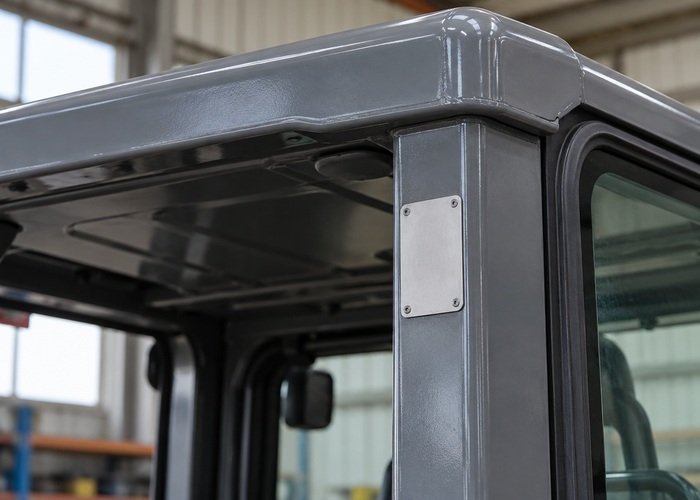
Mini Excavator ROPS, TOPS and FOPS: Verify the Protective Structure
Check a mini excavator protective structure using actual assembly identity, task hazards and manufacturer evidence before assessing damage or proposed changes.
Read article
 فارسی
 EnglishEnglish (United States)
 EspañolSpanish (Spain)
 FrançaisFrench (France)
 DeutschGerman
 РусскийRussian
 Português do BrasilPortuguese (Brazil)
 Bahasa IndonesiaIndonesian
 ItalianoItalian
 العربيةArabic
 БългарскиBulgarian
 বাংলাBengali (Bangladesh)
 ČeštinaCzech
 DanskDanish
 ΕλληνικάGreek
 SuomiFinnish
 हिन्दीHindi
 HrvatskiCroatian
 MagyarHungarian
 日本語Japanese
 한국어Korean
 Lietuvių kalbaLithuanian
 NederlandsDutch
 Norsk bokmålNorwegian (Bokmål)
 PolskiPolish
 RomânăRomanian
 SlovenčinaSlovak
 SlovenščinaSlovenian
 SvenskaSwedish
 ไทยThai
 TürkçeTurkish
 УкраїнськаUkrainian
 Tiếng ViệtVietnamese
 TagalogTagalog
 Bahasa MelayuMalay
 EestiEstonian
 CatalàCatalan
 Latviešu valodaLatvian
 اردوUrdu
 Српски језикSerbianفارسیPersian
 KiswahiliSwahili
 ShqipAlbanian
 ՀայերենArmenian
 ÍslenskaIcelandic
 BosanskiBosnian
 LuxembourgishLuxembourgish
 AfrikaansAfrikaans
No matching language. Try a different name.
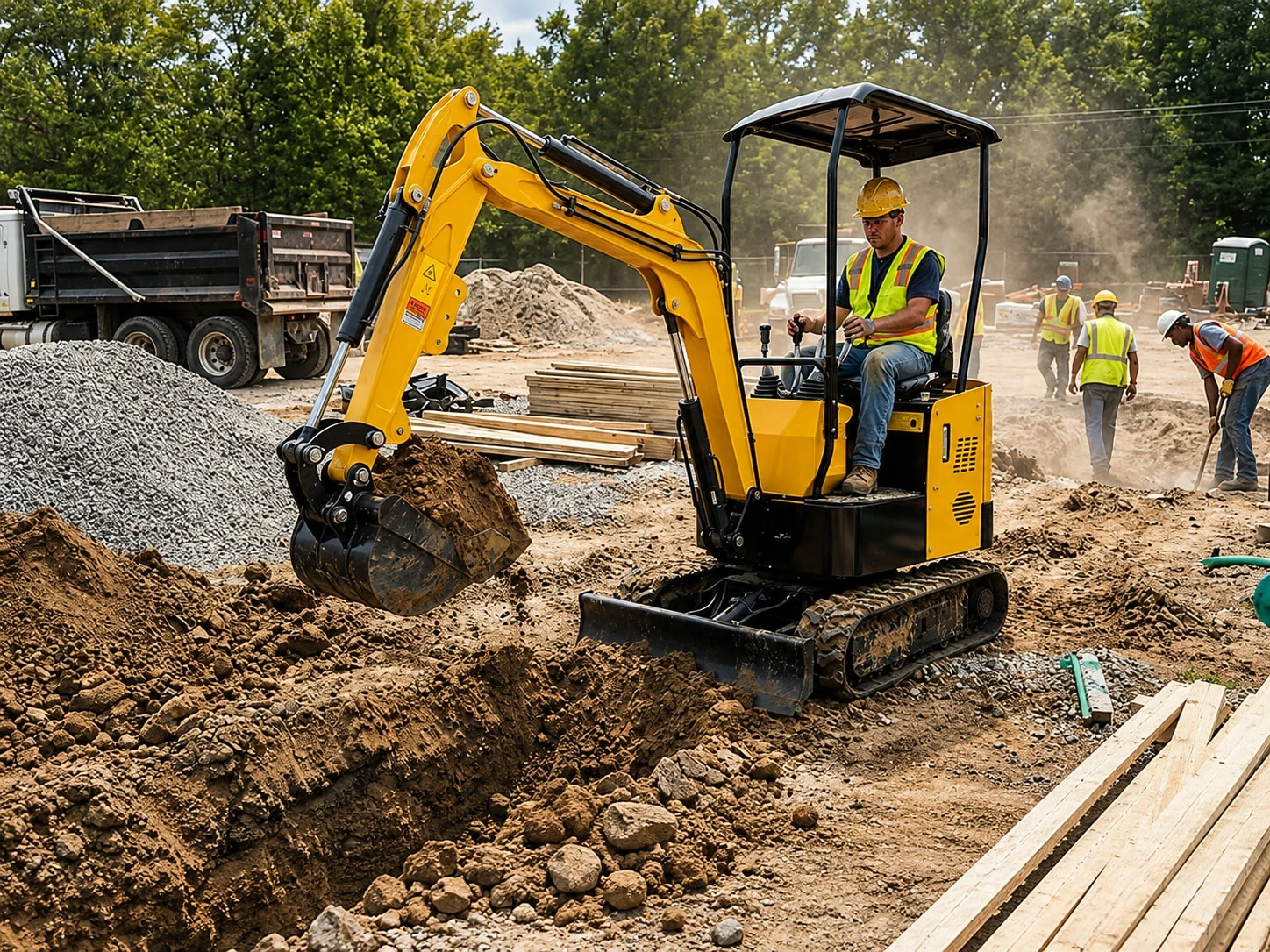
Machinery selection, working applications, maintenance and export guidance for equipment buyers and owners.
28Check a mini excavator protective structure using actual assembly identity, task hazards and manufacturer evidence before assessing damage or proposed changes.
Read article 29
Plan mini excavator whole-body vibration controls around real tasks, travel routes, seat setup and competent assessment, with clear review and reporting duties.
Read article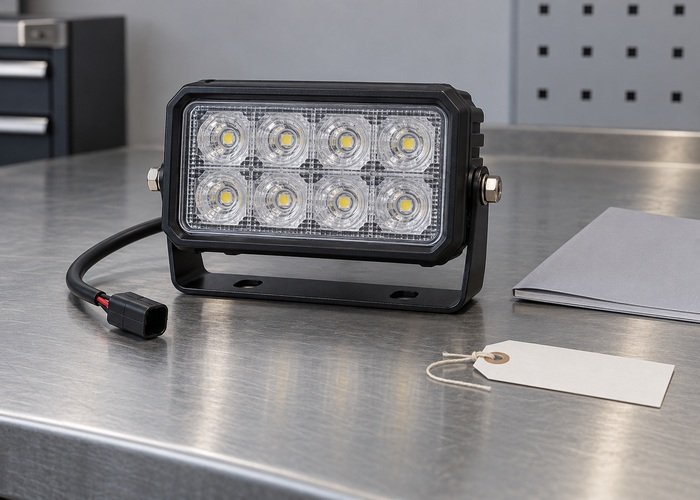 30
Check mini excavator work-light compatibility, beam use, glare and site coverage, then record approved installation and review under the intended working conditions.
Read article 31
Identify a mini excavator mirror or camera assembly, confirm approved compatibility and document installation and restored-view inspection before closing a defect.
Read article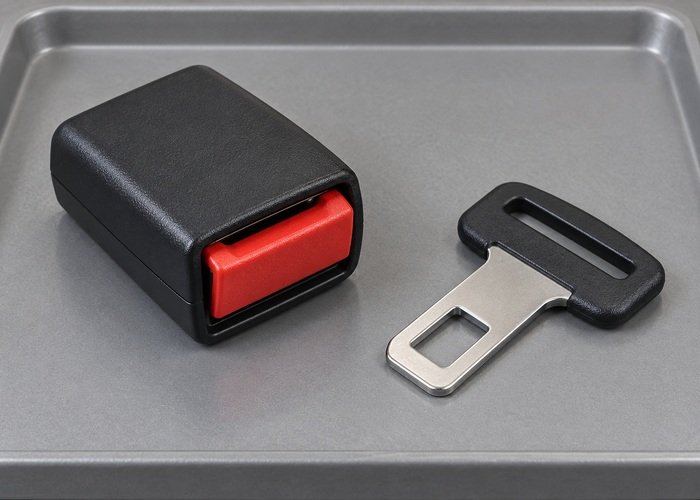 32
Identify the complete mini excavator restraint, document inspection concerns and confirm approved replacement parts for the actual seat and mounting arrangement.
Read article 33
Plan mini excavator concrete demolition around task classification, cab evidence, other workers and site-specific silica controls before choosing a breaker.
Read article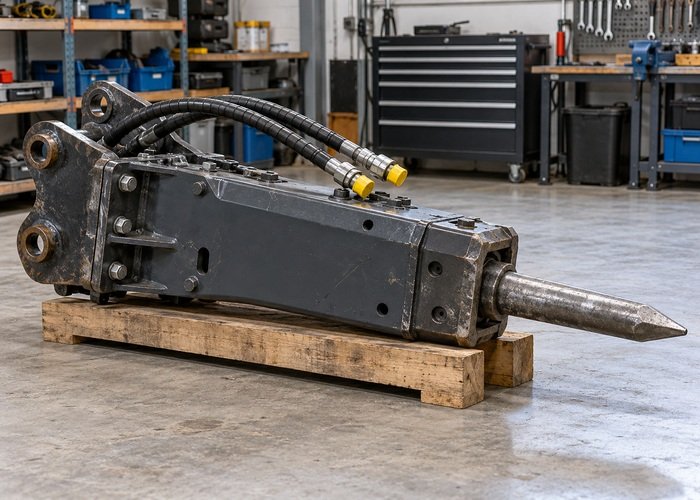 34
Plan mini excavator and breaker noise controls using actual tasks, reliable exposure evidence, equipment data, suitable protection and documented review.
Read article 35
Assess mini excavator indoor work using the actual power source, enclosure, alternatives, exposure controls and documented readiness before equipment enters.
Read article 36
Plan mini excavator work near overhead power lines with utility input, the full travel and attachment envelope, approved boundaries and documented change control.
Read article