Telephone/WhatsApp:+86 156 2656 0610
Telephone/WhatsApp:+86 156 2656 0610
Email:seekmach@gmail.com

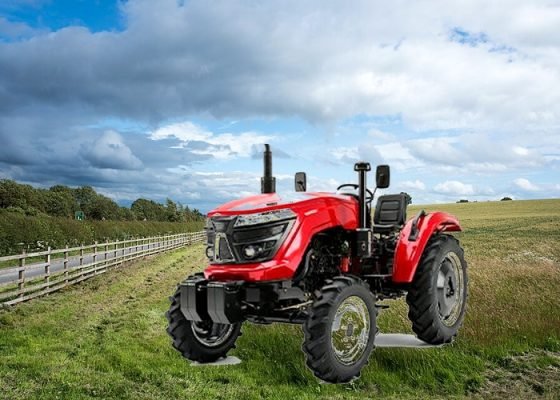
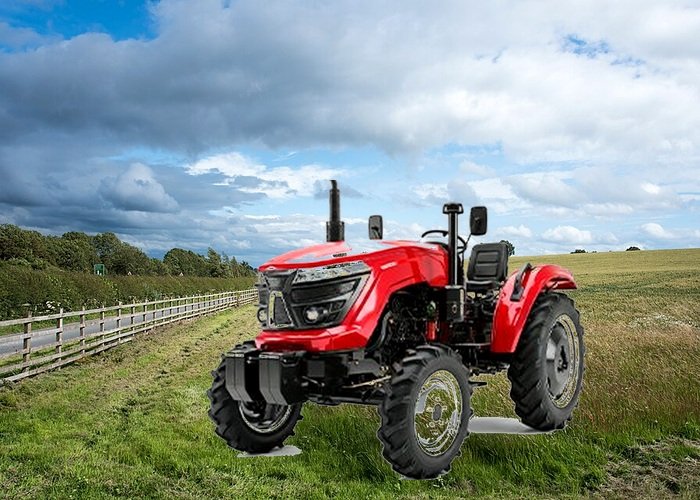
New landowners often buy a tractor first and then discover the tractor is only half the story. The machine provides power, traction, and mobility, but the attachment decides what job gets done. A bucket moves soil. A rotary cutter handles rough grass. Pallet forks move supplies. A box blade repairs a driveway. A tiller prepares a garden. The right attachments turn a compact tractor into a practical property tool.
The hard part is choosing attachments that match real work instead of buying tools that look useful but sit behind a shed. This guide focuses on the attachments new landowners actually use for small farms, rural homes, acreage maintenance, gardens, fencing, and driveway care. If you are comparing tractors, keep the SeekMach tractor category open while reading, then use this article to build a sensible first attachment list.
Attachments are tempting because each one promises a new capability. But the better starting point is the work list. What happens every month? Mowing? Moving gravel? Carrying firewood? Maintaining a lane? Preparing a garden? Cleaning storm debris? Setting fence posts? Pulling a trailer?
Rank the jobs by frequency and frustration. A weekly mowing problem deserves more attention than a rare task. A driveway that washes out after every storm may justify a grading attachment earlier than a tool used once a year. The best attachment is not the most interesting one. It is the one that removes repeated pain from the property.
los SeekMach product overview is useful if your work crosses categories. Some jobs may belong to an excavator, skid steer loader, or lawn mower rather than a tractor. Matching the machine to the work keeps the attachment list honest.
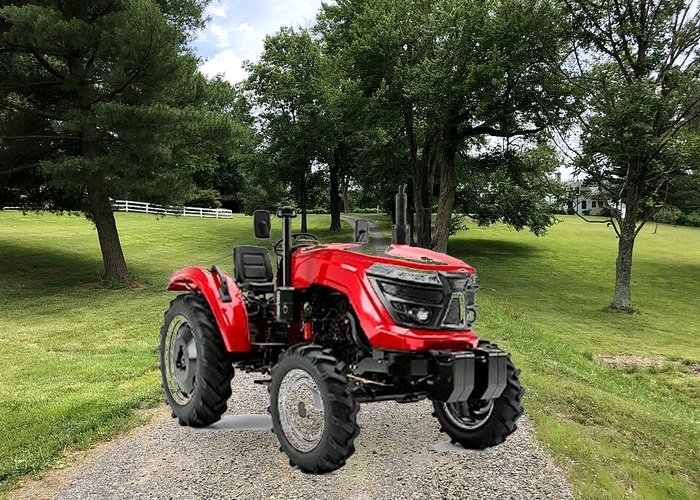
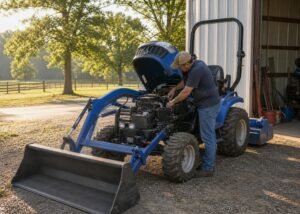
For many new landowners, the loader bucket is the attachment used most often. It moves mulch, compost, loose soil, gravel, feed, branches, and cleanup debris. It can help after storms, during garden projects, and around small farm chores.
The bucket is simple, but safe loader habits matter. Carry loads low. Use proper rear ballast. Avoid sudden turns with heavy material. Watch the ground under the front wheels. A tractor with a loader feels capable, but its balance changes when the bucket is full. For safe tractor habits, Penn State Extension’s tractor safety guidance is worth reading.
Pallet forks are often more useful than new owners expect. They move fence posts, bagged material, pallets, lumber, crates, firewood totes, and awkward supplies. A bucket can carry loose material, but forks are better when the load has shape.
The key is visibility and load balance. Keep loads low while traveling. Know the weight of what you are carrying. Do not assume a tractor can handle every pallet just because forks fit the loader. The tractor, loader capacity, ballast, ground condition, and load center all matter.
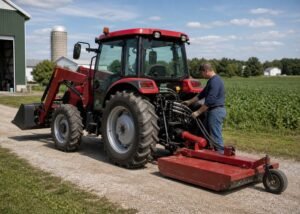
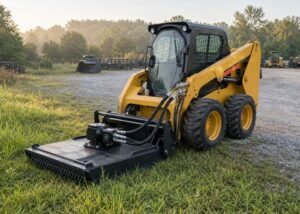
If the property includes tall grass, rough pasture, fence lines, or fields that are not finished lawn, a rotary cutter is often one of the first serious attachments. It is different from a finish mower. A rotary cutter is meant for rougher work, while a finish mower is meant for cleaner turf.
Before buying, match cutter width to tractor power, terrain, and storage. A wider cutter is faster in open ground but harder near trees, gates, and uneven areas. If the land has slopes or hidden debris, operate slowly and inspect the field before cutting.
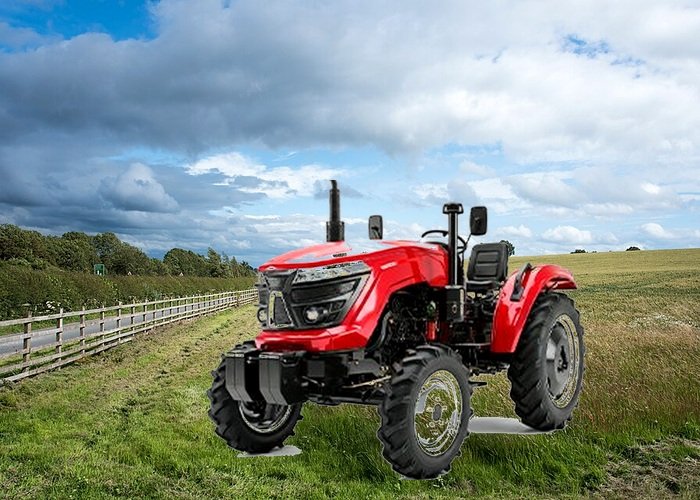
Driveway maintenance is one of the jobs that makes a tractor feel worthwhile. A box blade can move and level gravel, cut high spots, and pull material into low areas. A rear blade can grade, pull material, and help shape a lane or work area.
The right choice depends on the driveway and the operator. A box blade can be effective for reshaping and moving material. A rear blade may be useful for angled work and lighter grading. Either way, traction and slow control matter more than speed.
For landowners with gravel lanes, watch the driveway after rain. If water cuts channels or pushes gravel to the side, a grading attachment may become one of the most used tools on the property.
A tiller can be valuable for garden plots, food plots, and soil preparation, but it should match the tractor and soil. Heavy clay, stones, roots, and compacted ground change how the implement behaves. Check PTO needs, working width, and whether the tractor has enough stability and power for the implement.
Garden work also requires space. The tractor needs room to enter, turn, and exit without compacting the beds you want to protect. Sometimes a smaller, more controlled setup is better than a wider implement that is difficult to maneuver.
| Adjunto | Mejor para | Before you buy |
|---|---|---|
| Cucharón cargador | Loose soil, mulch, gravel, cleanup | Check ballast, visibility, and bucket width |
| Horquillas para palés | Posts, pallets, lumber, supplies | Check load weight, loader capacity, and ground condition |
| Rotary cutter | Rough grass, pasture, field edges | Match PTO power, cutter width, and terrain |
| Hoja de caja | Driveway grading and leveling | Check traction, tractor weight, and gravel condition |
| Caña del timón | Garden and soil preparation | Check PTO needs, soil type, and turning room |
This table helps turn attachment shopping into a practical plan. Buy the tools that solve repeated jobs first.
Before buying attachments, watch real compact tractor work cycles. This related YouTube video is useful for seeing common compact tractor attachments in action: compact tractor attachments and landowner work. Watch how the operator connects tools, approaches material, turns, and finishes the job.
Videos reveal details that product lists do not: how much room an attachment needs, how slowly some jobs should be done, and how much cleanup follows each task.
An attachment is only useful if it is easy to reach and connect. New landowners sometimes buy several tools and then store them wherever there is space. Later, changing attachments becomes awkward. Implements sit on uneven ground. Hitch points are hard to line up. A ten-minute change becomes a thirty-minute frustration.
Plan an attachment parking area. Keep tools on firm, level ground. Leave room for the tractor to back up straight. Keep pins, clips, and small parts organized. A clean storage layout makes the tractor more useful because the operator is more willing to switch to the right tool.
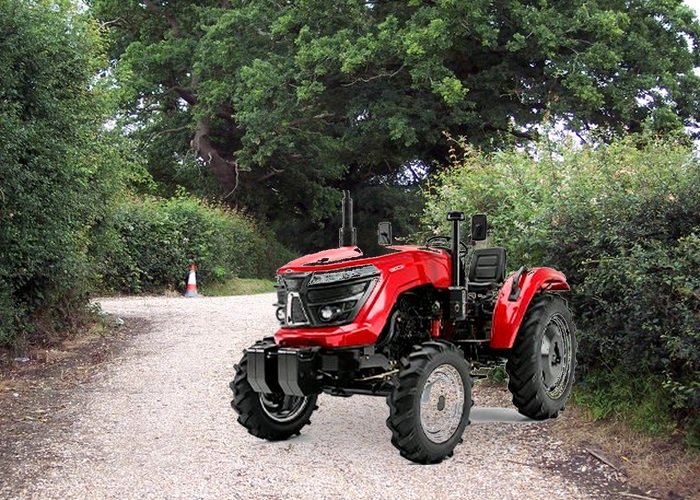
The first mistake is buying too many tools too soon. It is better to buy the first few attachments around known jobs, then add more after living with the property for a season.
The second mistake is ignoring compatibility. PTO, hitch category, hydraulic needs, weight, width, and storage all matter.
The third mistake is using the wrong tool because it is already attached. A loader bucket is not ideal for every carrying job. A rotary cutter is not a finish mower. A box blade is not magic if the operator does not understand gravel and water flow.
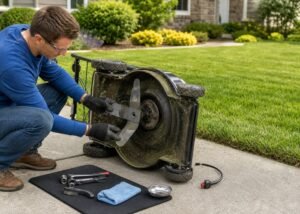
The fourth mistake is forgetting maintenance. Attachments need grease, blade checks, pin checks, cleaning, and storage care. A neglected implement can make a good tractor feel poor.
A practical first-year plan is usually better than a long wish list. Start with the jobs that will happen no matter what. If the property has rough grass, plan for cutting. If the driveway washes out, plan for grading. If supplies, posts, mulch, or firewood need moving, plan for loader and fork work. If the garden is a serious part of the property, plan for soil preparation.
After one full season, the real pattern becomes clearer. You may discover that pallet forks are used weekly and a tiller is used twice. Or you may discover that driveway work matters more than expected. Buying in stages keeps money and storage space focused on tools that actually earn their place.
Before using any attachment, check the connection. Look at hitch pins, clips, hydraulic lines, PTO guards, and the path of movement. Make sure the attachment sits level enough for the job. Confirm there are no loose parts or damaged edges. A few minutes of checking can prevent a bad hour in the field.
For PTO tools, take extra care. Keep people away, shut down before adjustments, and never treat rotating parts casually. The operator manual and safety decals should guide the specific machine and implement.
Attachment storage sounds boring until a tool is sitting at a bad angle in mud. A box blade leaning into a fence or forks buried behind other equipment may technically be available, but the operator will avoid using it. When attachments are stored on level ground with room to approach, the right tool gets used more often.
New landowners should create a small attachment zone early. Keep the most-used tools easiest to reach. Place blocks or stands where needed so hitch points line up cleanly. Keep pins and clips in a consistent place. This is not glamorous, but it makes the tractor feel more useful every week.
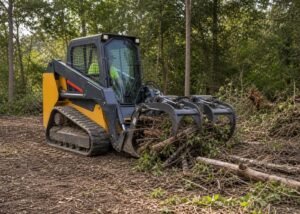
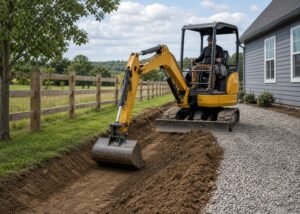
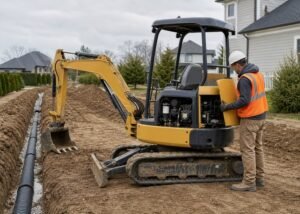
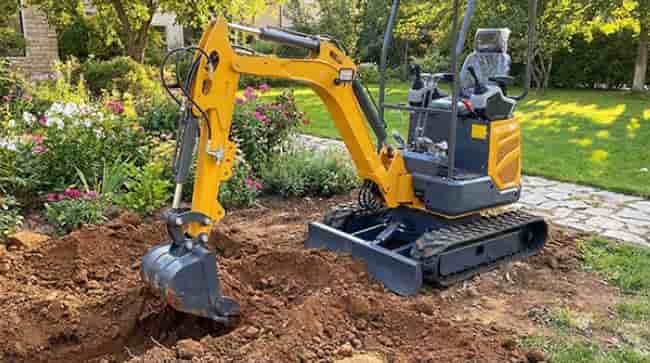
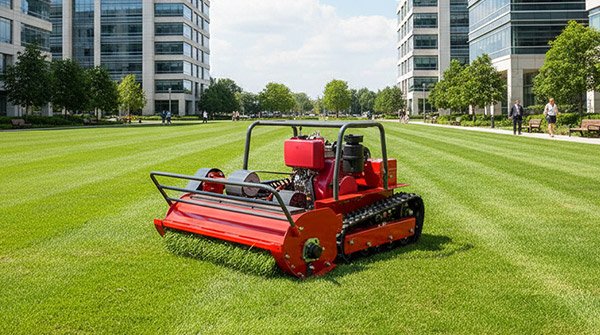
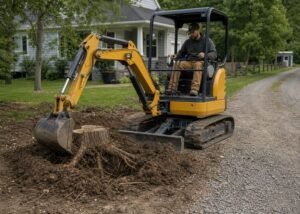
Some jobs are not tractor attachment jobs. If the work is trenching, digging, or drainage, an excavator for small property digging may be more suitable. If the work is compact loading, pallets, and jobsite cleanup, a cargadora compacta may be faster. If the main job is large turf mowing, a dedicated mower may also deserve attention.
This does not reduce the value of a tractor. It simply keeps the equipment plan realistic. A tractor is strongest when it pulls, carries, grades, mows rough areas, prepares soil, and supports repeated property work.
The best tractor attachments for new landowners are the ones tied to repeated, real jobs. Start with the bucket if material moving is common. Add pallet forks if supplies and posts need carrying. Choose a rotary cutter for rough grass. Consider a box blade or rear blade for gravel. Add a tiller when garden work is a real part of the year.
A smart attachment list turns a tractor into a practical land management system. For more machine-by-application ideas, visit SeekMach product application solutions.
It depends on the property. Many start with a loader bucket, then add forks, a mower or rotary cutter, and a grading attachment based on regular work.
Yes, if you move posts, pallets, lumber, bagged material, crates, or other shaped loads. Check loader capacity and ballast before lifting.
A box blade can be very useful for gravel repair and leveling. The driveway condition, tractor traction, and operator skill all matter.
No. A rotary cutter is for rough grass and field maintenance. A finish mower is for cleaner turf and a more lawn-like cut.
Store them on firm, level ground with room to connect safely. Keep pins and small parts organized and protect tools from unnecessary weather exposure when possible.