Telephone/WhatsApp:+86 156 2656 0610
Telephone/WhatsApp:+86 156 2656 0610
Email:seekmach@gmail.com

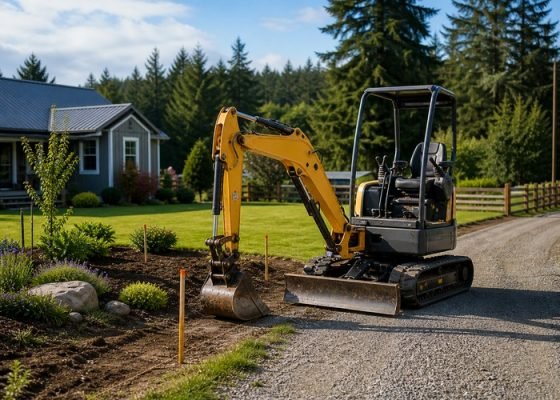
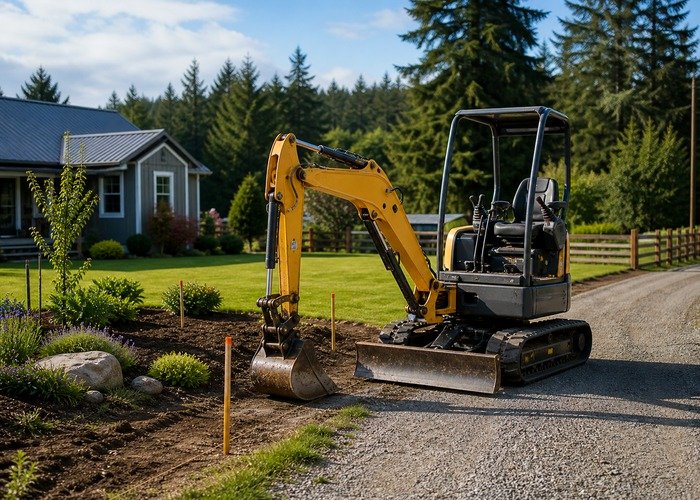
A mini excavator can make property work feel possible: drainage trenches, stump holes, small retaining walls, utility runs, footings, landscaping cuts, cleanup, and tight-access digging. The harder question is whether you should rent one for short projects or buy one for repeated work. A rental keeps commitment low, while ownership puts the machine on site whenever weather, labor, and materials line up. Neither path is automatically smarter. The right decision depends on how often you will dig, how predictable your jobs are, whether you can transport the machine, and whether you are ready to maintain it.
Use this guide as a practical decision framework, not a price list. Prices change by region and season, and the more useful exercise is understanding utilization. If your work is a one-week drainage repair, renting may be clean and simple. If you own land, run a small contracting service, or have a multi-year property improvement list, buying may reduce scheduling friction. Keep the SeekMach excavator category y SeekMach product overview open while reading so the machine choice stays tied to real work rather than excitement over a compact machine.
Write down every digging job you can honestly see in the next 24 months. Include trench length, depth, soil type, access width, slope, backfill needs, spoil placement, underground utility risk, and whether the work must happen during a narrow weather window. A mini excavator rented for one neat weekend is a different decision from one used every month for drainage, fence lines, culverts, hardscape preparation, and small demolition cleanup.
The list should include jobs you will not do. A compact excavator is not a magic answer for unstable trenches, overhead hazards, unknown utilities, large stumps, steep slopes, or heavy lifting beyond its rating. OSHA’s trenching and excavation information at OSHA trenching and excavation is a useful reality check before any digging plan becomes casual. If the work is outside your experience, rent with an experienced operator or hire the job out.
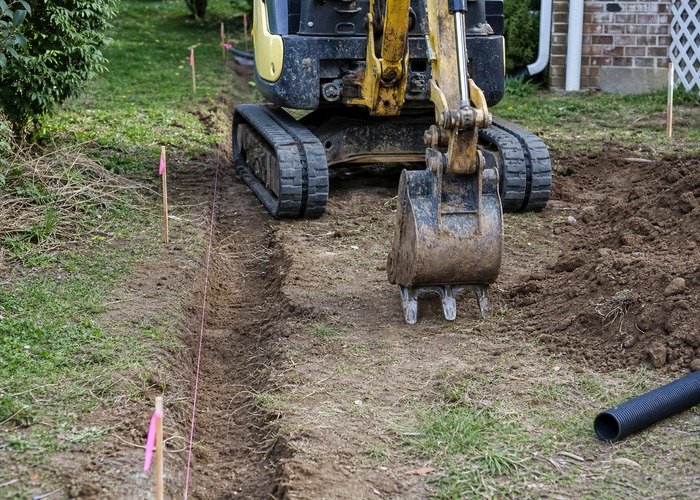
Renting usually fits one-time jobs, uncertain operators, short property projects, or buyers who still need to learn what size class actually works. A rental lets you test access, bucket size, digging depth, ground pressure, and transport logistics without accepting long-term maintenance. It also helps when the project needs a different machine class than your normal work. A one-ton machine may fit through a gate, while a larger compact excavator may be more efficient in open ground.
Renting also makes sense when you do not have secure storage, a service plan, a trailer, tow vehicle capacity, or time to repair a machine. A compact excavator that sits outside neglected can become expensive even if it was bought cheaply. Rental companies handle many ownership chores, and that can be worth more than the day rate if your main goal is finishing one project safely.
| Decision factor | Renting leans better when | Buying leans better when |
|---|---|---|
| Job frequency | One or two short projects per year | Recurring monthly or seasonal work |
| Transporte | You need delivery arranged | You have trailer, tow capacity, and secure loading habits |
| Tamaño de la máquina | You are still learning the best class | You know the size and attachments you will use |
| Almacenamiento | No secure dry place for equipment | You can store and protect the machine |
| Mantenimiento | You do not want service responsibility | You can inspect, grease, service, and repair |
Buying becomes more practical when the machine will remove scheduling delays. Property work often depends on weather, material delivery, helpers, utility marking, and time away from other work. If a rental window closes before the trench is ready, the project stalls. Ownership lets you dig for two hours after rain clears, pause for inspection, backfill later, and come back the next weekend without another delivery appointment.
Buying also helps when small jobs keep repeating. Many landowners underestimate how often they need short excavator sessions: cleaning drainage outlets, setting posts, building swales, repairing washed driveways, removing small stumps, shaping pads, or lifting material with the right attachment and rigging plan. The excavator application solutions page can help connect those jobs to specific application categories before you commit to a machine.
Utilization is not only hours on the meter. It is the percentage of ownership time when the machine solves real problems. A homeowner may use a machine only 80 hours a year but still value immediate access because those 80 hours happen at critical times. A contractor may need much higher utilization to justify capital, insurance, transport, maintenance, and downtime risk. Be honest about both direct use and waiting time saved.
A simple utilization worksheet should include planned digging days, likely weather delays, delivery charges avoided, transport time, maintenance time, attachment needs, storage, operator learning curve, and the value of finishing work in stages. Avoid vague thinking such as ‘I will use it all the time.’ Write down jobs by month. If the list looks thin, rent first. If the list keeps growing and each job is real, ownership deserves a closer look.
A mini excavator decision is also a transport decision. The machine, bucket, attachments, fuel, trailer, and tie-down gear must fit within legal and safe limits. Loading is not a formality. A narrow trailer, wet ramp, poor angle, or rushed tie-down can turn a simple job into a serious hazard. NIOSH struck-by resources at NIOSH struck-by safety are a useful reminder that moving equipment creates risk before digging begins.
Storage matters too. Tracks, pins, hoses, batteries, seats, controls, paint, and electrical parts all age faster when a machine is parked poorly. If the machine will live outside, plan covers, drainage, battery care, theft prevention, and routine walkarounds. A rented machine returns when the project ends. An owned machine becomes part of your weekly equipment responsibilities.
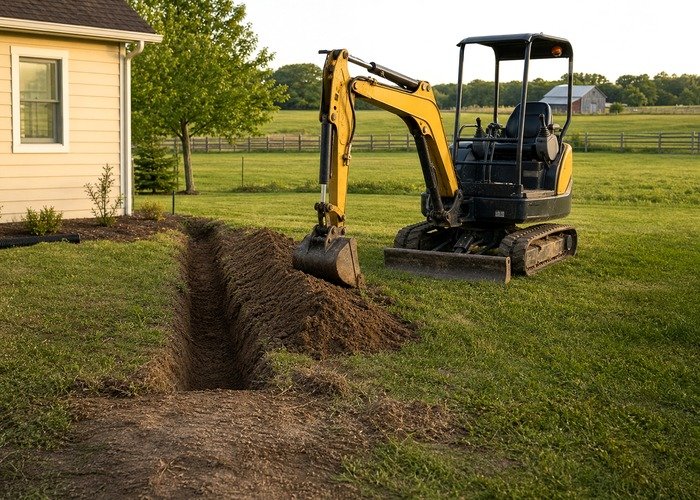
The bucket is only the beginning. A thumb can help with brush, rock, and demolition debris. An auger can speed fence or planting work. A grading bucket can clean trench bottoms and shape small slopes. A hydraulic breaker can open hard material, but it also adds vibration, service needs, noise, and risk. Before buying, list the attachments that truly improve your work. Before renting, ask what attachments are available and whether the hydraulic setup matches the job.
Attachments also influence size choice. A machine that barely handles the bucket may be frustrating with a thumb or auger. A machine that fits through a gate may not have enough reach for repeated trenching. A larger machine may improve productivity but create transport and access problems. This is where the SeekMach application solutions page helps: match the application first, then choose the machine.
Ownership means daily greasing, track inspection, fluid checks, filter changes, hydraulic leak awareness, battery care, undercarriage cleaning, and repair planning. None of these tasks are unusual, but they require discipline. A used machine with neglected pins, tired tracks, weak hydraulics, or hidden leaks can cost more than repeated rentals. If you are not comfortable inspecting used equipment, pay an independent mechanic or experienced operator before buying.
Do not ignore documentation. Manuals, service records, serial numbers, attachment manuals, and parts sources matter. A compact excavator is productive because it is available. If parts, hoses, filters, or track components are difficult to source, ownership becomes less attractive. Wikipedia’s broad excavator definition is a basic orientation, but your ownership decision should be driven by parts, service, and real local support.
The first mistake is buying after one successful rental weekend. A rental proves the tool is useful; it does not prove ownership is justified. The second mistake is ignoring hauling. Many small machines still become a serious load once trailer, attachments, and supplies are included. The third mistake is buying too small because access is tight on one job, then struggling on every other job. The fourth mistake is buying too large because productivity looks appealing, then discovering the machine cannot reach half the property.
The fifth mistake is treating digging as low risk because the machine is compact. Underground utilities, trench collapse, slopes, overhead lines, bystanders, and unstable spoil piles can all create serious hazards. Call 811 guidance at Call 811 should be part of every digging routine in the United States. Local rules may vary, but the habit is simple: locate before you dig.
Rent first when the job list is short, the machine class is uncertain, transport is not solved, or you are still learning. Buy only when your work is recurring, access and size are understood, storage is ready, maintenance is acceptable, and the machine will remove real scheduling friction. For many owners, the best path is rental for the first project, careful notes during that rental, then a purchase decision based on actual hours, delays, and job quality.
A mini excavator is most valuable when it is matched to work instead of impulse. If the machine supports repeated drainage, landscape, utility, footing, or rural property tasks, it can become one of the most useful tools on site. If it will mostly sit, rental keeps your flexibility. Use the SeekMach excavator category, excavator application solutions, y SeekMach product overview pages to compare fit before deciding.
A homeowner with one failed drainage line, one shallow trench, and no trailer should usually rent. The project may feel important, but the machine is needed for a short window. The better investment is planning: mark utilities, stage pipe and gravel, choose the right bucket, arrange delivery, and leave enough time for cleanup. If the rental exposes several new jobs, write them down for a later ownership review instead of buying immediately.
A rural property owner with recurring washouts, fence repairs, small stump removals, culvert cleaning, and landscape reshaping is different. The work may not happen every week, but it appears after storms and seasonal changes. In that case, ownership can be useful because the machine is ready when the ground condition is right. The decision still depends on storage, transport, service ability, and whether the owner can operate safely without turning every small job into a repair project.
A small contractor should use a stricter test. The excavator must support billable work, reduce subcontracting delays, and stay reliable enough for scheduled jobs. Attachments, transport, insurance, operator skill, maintenance time, and backup options matter more than the thrill of owning equipment. If one missed repair can delay customers, rental or subcontracting may still be smarter until demand is steady.
If you rent before buying, treat the rental as research. Record hours used, trench length completed, bucket size, soil behavior, fuel use, access problems, loading time, delivery timing, operator fatigue, cleanup time, and any job the machine could not handle. Take photos of tight turns, slopes, spoil piles, and finished work. Those notes become more useful than memory when you compare machine sizes later.
Also record what slowed the job. Many delays are not caused by the excavator. Missing pipe, poor spoil placement, no helper, unclear grade, wet soil, utility marking delays, or a narrow gate can waste more time than digging. If delays came from planning rather than machine access, ownership may not solve them. If delays came from rental scheduling, delivery timing, or needing the machine in several short bursts, ownership becomes more attractive.
It depends on job frequency, transport, storage, maintenance, delivery fees, downtime, and resale risk. Renting usually fits short or uncertain work; buying fits repeated use.
A first-time operator should usually rent first or train with an experienced operator. The rental period teaches size, access, and job-cycle realities.
The right size depends on gate access, trench depth, reach, soil, slope, attachment needs, and transport limits. Do not choose by weight class alone.
Yes. In the United States, use 811 or the local utility marking process before digging, even on private property.
Transport and maintenance are often underestimated. Secure storage, tie-down gear, filters, grease, tracks, hoses, and downtime all matter.
– OSHA trenching and excavation – Call 811 before digging – NIOSH struck-by safety – Excavator definition – Mini excavator rent-or-buy video – OSHA mobile heavy equipment guidance