Telephone/WhatsApp:+86 156 2656 0610
Telephone/WhatsApp:+86 156 2656 0610
Email:seekmach@gmail.com

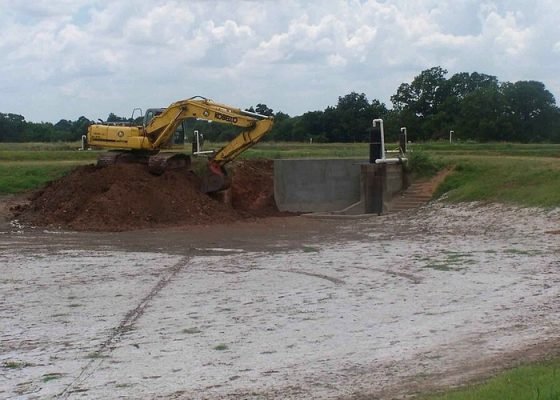

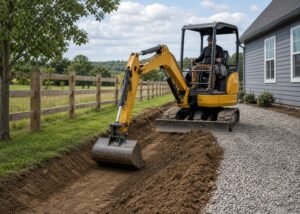
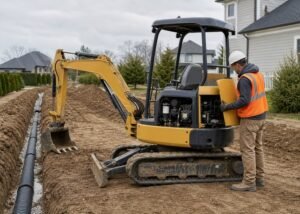
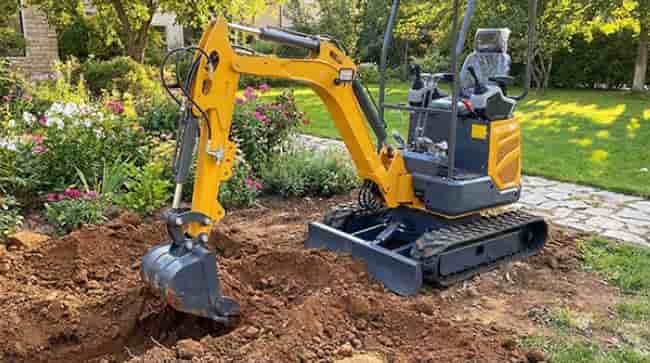
A mini excavator can make trenching look simple. The bucket enters the soil, the trench opens, and the job moves forward. But the real work is not just digging. It is choosing the right machine, managing soil, keeping people away from the trench, and planning the backfill before the first cut. A clean trenching job is built before the bucket touches the ground.
This guide is for buyers and operators planning drainage, utility prep, landscaping, small construction, or property trenching. If you are comparing machines, start with the SeekMach excavator category. Then use the checks below to decide what matters for your work.
OSHA warns that trenching and excavation work can be dangerous because soil can collapse with little warning. OSHA’s trenching and excavation page is a strong reference for basic protective thinking: OSHA trenching and excavation. NIOSH also publishes construction safety resources that help operators think beyond the machine itself: NIOSH construction safety.
Even small trenching deserves planning. Soil type, moisture, depth, people nearby, utilities, and access all affect risk. A mini excavator does not remove the need for judgment.
| Planning factor | Why it matters | Operator action |
|---|---|---|
| Trench depth | Depth affects reach, safety, and backfill volume | Confirm required depth before machine selection |
| Soil condition | Wet, sandy, or loose soil behaves differently | Inspect after rain and avoid assuming stability |
| Ancho del cucharón | Controls spoil volume and cleanup | Use a bucket that matches pipe, gravel, and trench purpose |
| Spoil placement | Soil piles can block access or fall back in | Plan the pile before digging |
| Exit route | The machine must leave after trenching | Keep travel paths open throughout the job |
The table is simple because trenching decisions should be practical. A buyer who can answer these points will make a better equipment choice than someone only comparing dig depth.
A trenching bucket that is too wide creates unnecessary spoil. A bucket that is too narrow may slow the job. The right width depends on the purpose of the trench. Drainage work may require space for pipe, gravel, and fabric. Utility prep may have different rules. Landscaping trenches may need a cleaner finish and less surface disturbance.
Backfill should be planned early. Where will the material go? Will clean soil be reused? Will gravel be staged nearby? Will the machine need to cross the trench route later? These details affect the finished job.
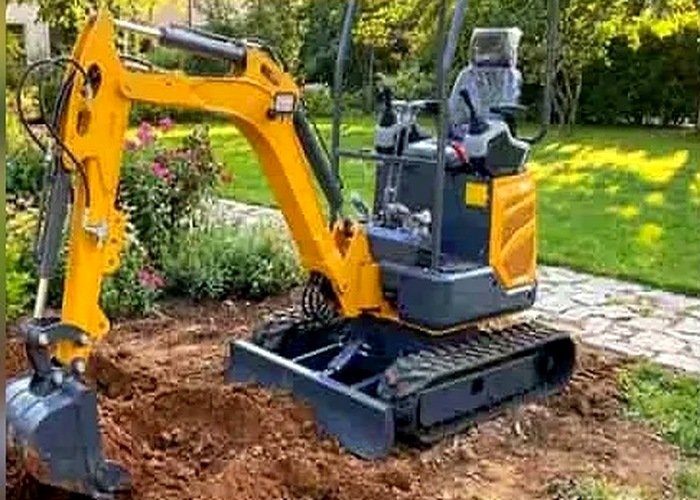
A mini excavator should sit where the operator can see the bucket and trench line. Reaching too far from a poor angle creates rough work. Moving the machine more often may feel slower, but it usually makes the trench cleaner.
This related YouTube video is useful for seeing the pace and control of compact excavator operation: mini excavator operating tips. Watch the setup, not only the digging.
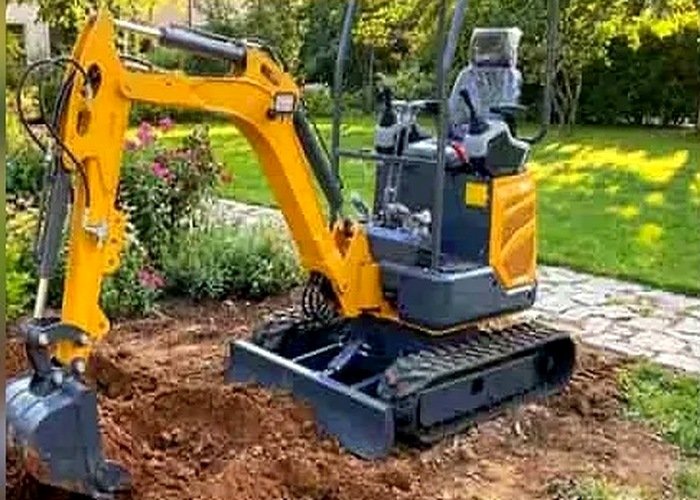
The first mistake is digging before confirming the outlet or final trench purpose. The second is placing spoil too close to the trench edge. The third is pushing the machine to its maximum reach instead of repositioning. The fourth is ignoring cleanup until the end.
Good trenching is controlled and deliberate. It may look slower, but it reduces rework.
Choose a mini excavator for trenching by matching depth, access, soil, bucket width, spoil placement, and safety requirements. For application ideas, visit SeekMach excavator application solutions y SeekMach product application solutions.
It depends on trench depth, soil, access, and bucket width. Choose a machine that works with margin, not one that barely reaches.
Bucket width controls spoil volume, trench shape, and cleanup. A mismatched bucket can make the job larger than needed.
Risk depends on soil, depth, people nearby, and job conditions. Small jobs still need utility checks and safe work habits.
Yes. Spoil placed too close can fall back in or add pressure near the trench edge.
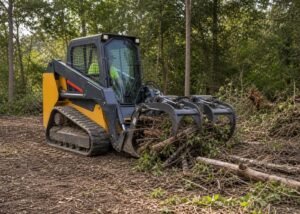
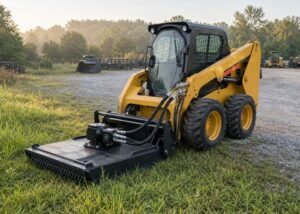
Usually no. A skid steer is useful for material movement, while a mini excavator is better for controlled digging.
Picture a small contractor opening a drainage trench along the edge of a driveway. The trench is not very deep, but the ground is wet, the driveway edge needs protection, and the soil has to be placed where it can be reused for backfill. A mini excavator that is too small may work slowly in wet clay. A machine that is too large may damage the access route. The best choice is the machine that controls the bucket well while fitting the space.
This is why trenching buyers should think in sections. Dig a short run, check depth, manage spoil, keep the exit route open, and then move forward. That rhythm is slower than aggressive digging but often faster than repairing mistakes.
Even a small trench creates more soil than many people expect. Use a simple planning table to estimate the cleanup burden.
| Trench style | Likely spoil volume | What it means on site |
|---|---|---|
| Narrow shallow garden trench | Más bajo | Small spoil pile, easier turf repair |
| Drainage trench with gravel space | Medio | Needs staging area for soil and stone |
| Deeper utility prep | Más alto | Requires stricter access and safety planning |
| Wet clay trench | Heavy and messy | Plan cleanup, track cleaning, and backfill carefully |
This is not engineering design. It is a practical way to avoid being surprised by soil handling.
Before trenching, ask what the trench is for, how deep it needs to be, where the water or utility line will go, and how the surface should look afterward. Ask whether the soil is dry, wet, loose, sandy, or clay-heavy. Ask where the spoil will sit and how the machine will leave.
These questions matter because mini excavator work often fails in the planning, not in the digging. The machine may be capable, but the site may be crowded. The bucket may be strong, but the trench may be too wide. The operator may dig quickly, but the backfill area may be poorly organized.
Use the trench planning table before machine selection. If the trench is shallow and narrow, a smaller compact excavator may be enough. If the soil is difficult, the trench is long, or backfill material must be staged carefully, machine stability and reach become more important.
The spoil volume table helps with cleanup planning. It reminds the buyer that every inch of extra trench width creates more soil to move. A cleaner trench starts with a bucket that matches the job.