Telephone/WhatsApp:+86 156 2656 0610

Telephone/WhatsApp:+86 156 2656 0610
Email:info@seekmach.com

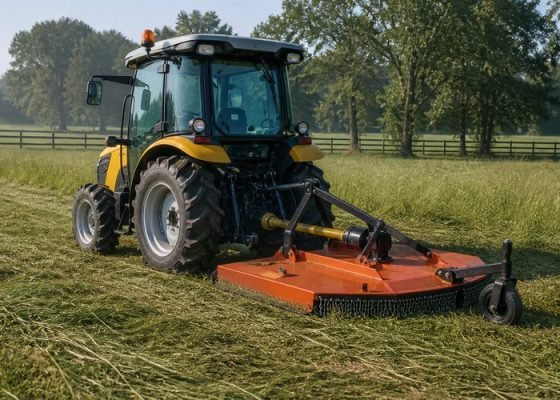
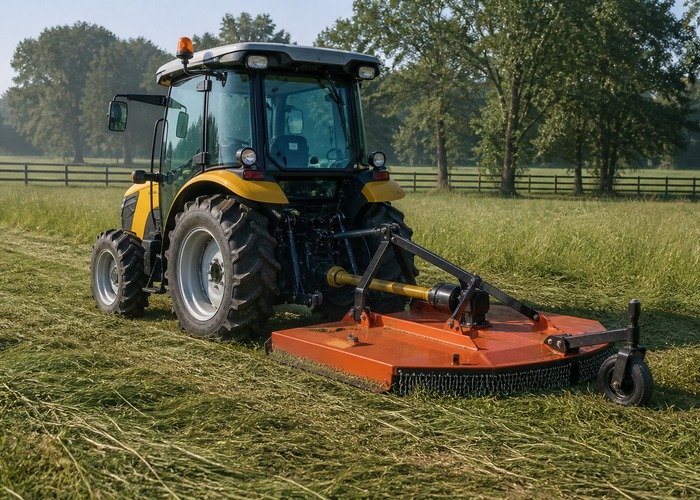
A tractor PTO that turns normally with no implement load but slows, stops, chatters, or smells hot when the cutter, tiller, chipper, or baler begins working has a load-path problem. The slipping point may be the tractor’s PTO clutch, an implement slip clutch, a belt or gearbox, or material packed into the machine. Treat the symptom as a warning. Continued slipping converts engine power into heat and can destroy friction plates, seals, bearings, splines, and nearby wiring.
Do not diagnose a rotating driveline by standing beside it. Park on firm level ground, lower the implement, disengage the PTO, set the brake, stop the engine, remove the key, and wait for all stored motion to stop. Keep the tractor master shield, driveline guard, and implement input shield installed. The Penn State PTO safety guide explains how quickly an exposed shaft can wrap clothing and why adjustments must be made only after shutdown.
This guide separates four questions: Is the implement overloaded? Is the implement slip clutch set or maintained incorrectly? Is the tractor PTO clutch failing to transmit torque? Or is the driveline binding because of geometry, damage, or incorrect parts? Work from observation to measurement instead of tightening every spring or replacing the tractor clutch first.
Record engine speed, selected PTO speed, gear, material condition, implement width, cutting depth, and the moment the symptom begins. A rotary cutter that slows only in dense wet brush may be overloaded; one that stops in light grass at normal travel speed deserves inspection. Note whether engine rpm falls with PTO speed. If the engine labors and both speeds fall together, the implement may simply demand more power than the tractor can deliver. If engine rpm stays steady while the PTO shaft or implement slows, torque is being lost downstream.
Listen for a squeal, chatter, or cyclic knocking, and stop immediately if smoke or a burnt friction smell appears. After shutdown and cooling, look for heat discoloration around the implement clutch and for fresh dust expelled from friction plates. Never touch a suspected clutch, gearbox, or bearing immediately after operation. A non-contact thermometer can compare components from a safe position, but temperature alone does not identify which clutch slipped.
Check the tractor manual to identify independent, live, two-stage, or transmission-driven PTO architecture. Pedal free play, engagement method, hydraulic pressure, and test procedure differ. The University of Idaho compact tractor guide explains important PTO arrangements; use it for background, not as a specification for another model.
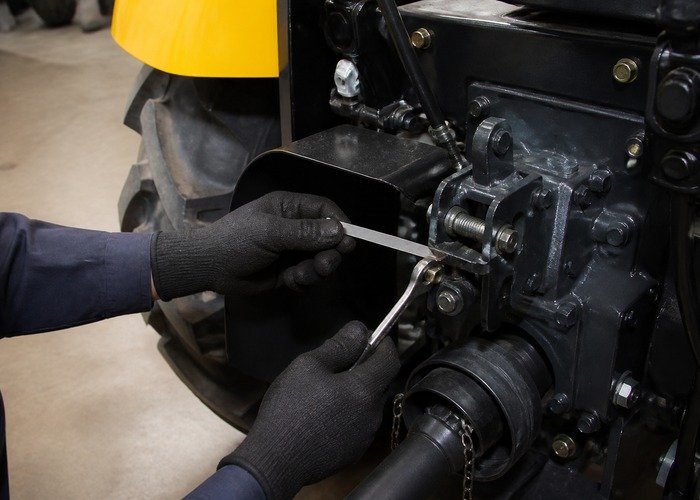
Inspect the implement only after safe isolation. Remove wrapped twine, wire, vines, packed soil, stones, and crop residue with proper tools. Check blade condition, tiller tine freedom, belt tension, bearing rotation, gearbox oil level, and evidence of a seized rotor. A bent blade or dry bearing can raise torque demand far beyond normal even when the machine still turns by hand.
Confirm that implement width and rated power match the tractor’s PTO horsepower, not merely engine horsepower. Use the correct PTO speed. Driving a 540-rpm implement from a 1,000-rpm setting can cause dangerous overspeed, while operating below the implement’s designed shaft speed may encourage the operator to take an excessively heavy cut. Reduce travel speed, cutting depth, and material feed one variable at a time.
Verify the three-point hitch height, top-link length, drawbar position, and driveline overlap through the full working range. Too much telescoping compression can load bearings; too little overlap can separate the shaft. Excessive universal-joint angle creates vibration and heat. Review attachment geometry with the tractor three-point hitch fit guide before repeating a load test.
An implement slip clutch protects driveline parts by allowing controlled friction slip during a shock load. It is not the same component as the tractor PTO clutch. Typical assemblies have multiple springs and friction discs near the implement gearbox. Rusted discs may lock together after storage, eliminating protection; loose or worn discs may slip during ordinary work.
Do not copy spring length or nut position from another brand. Count exposed threads only as a reference before service. Find the implement manual for the exact model and clutch. Some procedures require loosening each nut evenly, deliberately slipping the clutch briefly to free rusted discs, cooling it, and restoring a specified spring height. Others use torque values or replacement limits. The Clemson forestry equipment note describes why seasonal slip-clutch maintenance matters.
Mark the pressure plate and hub with a paint line before a controlled test. If the marks shift while the implement slows, the implement clutch slipped. Make the test only from the operator’s seat in a clear area with all guards installed. If the clutch slips continuously in ordinary material, stop, cool it, and inspect adjustment, glazing, contamination, broken springs, warped plates, and minimum friction-disc thickness.
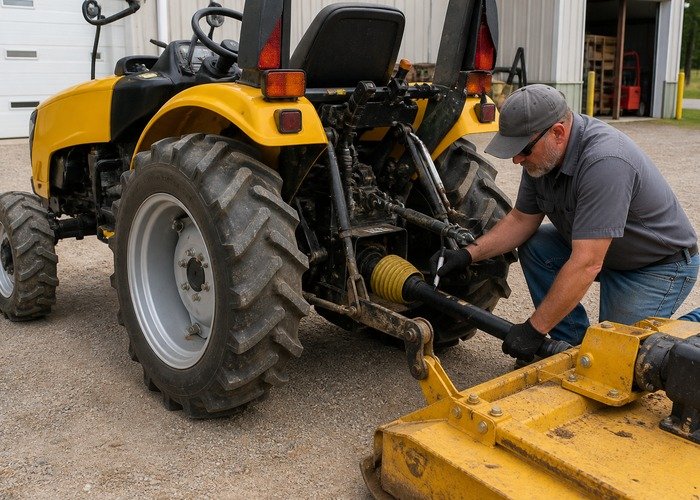
With power isolated, confirm that the shaft locks fully onto both splined stubs and that retaining pins or collars move freely. Inspect splines for fretting, rounding, cracks, or red oxide. A partially engaged coupler can transmit light torque and then skip under load. Replace damaged locking parts rather than wiring or tying the coupler in place.
Rotate the plastic guard by hand to verify that it is free on its bearings and restrained by its chains. Inspect universal joints for looseness, stiffness, missing grease fittings, cracked yokes, and incorrect phasing. Check the telescoping members for adequate lubrication and straightness. Ohio State’s safe PTO use guidance emphasizes guards, correct shaft overlap, and matching 540- or 1,000-rpm equipment.
Use the PTO slip clutch versus shear bolt guide if the implement uses a shear fastener. Install only the specified grade and diameter. A hardened substitute may stop nuisance shearing but transfer destructive shock into the tractor or gearbox.
Inspect pedal or lever free play, external linkage, cables, return springs, and pivot wear against the tractor manual. A clutch that never fully engages can slip; one without the specified release clearance can also run hot. On electrically or hydraulically engaged PTO systems, low voltage, a poor ground, an incorrect switch signal, low pilot pressure, a restricted filter, or a leaking control valve may reduce clutch pack pressure.
Check hydraulic or transmission oil level by the specified procedure. Wrong oil, aeration, overheating, and a clogged filter can affect wet PTO clutches. Do not add friction modifiers or change viscosity to hide the symptom. If other hydraulic functions are weak or hot, use the tractor hydraulic overheating guide before opening the PTO circuit.
A two-stage dry clutch may show incorrect pedal transition, hard shifting, or PTO drag in addition to load slip. Measure pedal free play and stage travel; do not guess at internal adjusters through an inspection opening. If the manual requires splitting the tractor, support it with proper stands and trained equipment. A loader or jack alone is not a safe support.
A handheld optical tachometer can compare engine, exposed-safe reference points, and implement speed only when the measurement method keeps people and tools away from rotation. A safer alternative on many machines is reading the dashboard, diagnostic port, or manufacturer test connector. Calculate the expected PTO speed from the selected mode and rated engine speed.
Hydraulic PTO clutch pressure tests require the correct port, rated hose, calibrated gauge, temperature, engine speed, and engagement sequence. Low pressure may originate at the pump, priority circuit, solenoid valve, regulator, internal leak, or clutch piston seal. Normal pressure with verified clutch slip points more strongly toward worn or damaged friction plates, but service limits still come from the model manual.
Never search for pressurized leaks with a hand. Fluid injection injuries can look small and require emergency treatment; follow NIOSH hydraulic safety guidance. Clean around test ports and cap connections immediately so diagnosis does not introduce contamination.
The following video demonstrates a common implement slip-clutch adjustment process. It is useful for recognizing the springs, pressure plates, and even adjustment pattern, but the measurements shown are not universal. The correct spring length, torque, run-in method, and cooling time must come from the implement manufacturer.
Before following any demonstration, remove the key and verify that the friction assembly belongs to the implement rather than the tractor. Loosen and tighten all spring nuts in small equal increments to keep plate pressure balanced. Photograph the starting position and record every change.
After adjustment, run only the manufacturer’s controlled bedding or verification procedure. Stop if the clutch smokes, the implement chatters, or the guard interferes. Let the assembly cool before rechecking fasteners; hot friction parts can burn skin and readings taken during thermal expansion may mislead.
One successful light-load pass does not prove the system is repaired. Repeat the original work condition gradually while watching engine and PTO speed. Confirm that the clutch protects against a shock event without continuously slipping through ordinary load.
| Observation | Most useful next check | Avoid |
|---|---|---|
| Engine and implement slow together | Reduce load; verify PTO horsepower and blockage | Tightening clutches to force more power |
| Engine steady, implement clutch marks shift | Inspect manual adjustment, discs, springs, contamination | Copying another clutch’s spring length |
| Engine steady, tractor PTO shaft slows | Control linkage, clutch pressure, tractor clutch wear | Continuing until plates burn |
| Chatter at certain hitch positions | Shaft overlap, universal-joint angle, phasing | Operating with a bent or binding shaft |
| Slip appears only when hot | Temperature, oil, hydraulic pressure, internal leakage | Using thicker unapproved oil |
Replace friction discs contaminated by oil only after repairing the leak. Replace cracked springs, warped plates, damaged splines, rough universal joints, and missing guards. Clean dry friction parts only with approved products. Wet clutch packs require clean specified oil and controlled assembly; lint, sealant, and incorrect clearances can cause a repeat failure.
After repair, verify engagement and disengagement at low speed, then add load gradually. Check for stable engine and PTO speed, abnormal heat, odor, vibration, and leakage. Reinspect fasteners after the interval specified by the implement manual. Record implement, material, gear, PTO mode, rpm, temperature, adjustment measurement, parts, and result.
If a hydraulic motor or other high-flow attachment is part of the complaint, confirm that its demand and return path match the tractor using the tractor hydraulic flow and attachment guide; a hydraulic attachment fault should not be misidentified as PTO clutch slip.
For buyers, include the controlled PTO load check in the used compact tractor inspection checklist. A PTO that spins unloaded in a seller’s yard may still fail after oil warms or a cutter reaches working torque. Do not perform a test without a correctly matched, guarded implement.
A short worksheet makes recurring slip much easier to diagnose. Record tractor hours, implement model, friction-disc age, spring measurement, selected PTO speed, engine rpm, gear, material density, ambient temperature, and the time until symptoms appear. Add photographs of guard condition, paint marks, and any heat discoloration. A future operator can then distinguish gradual wear from an abrupt overload or an adjustment error.
After seasonal storage, inspect the clutch before the first heavy job. Moisture can rust plates together, while repeated transport vibration can alter loose hardware. Grease driveline points on schedule, verify guard bearings, and make sure the shaft still has the correct overlap after changing tractors or hitch settings. Preventive checks are less expensive than discovering a locked clutch when a blade hits an immovable object.
No. Excessive spring pressure can remove driveline protection and transfer shock into the gearbox or tractor. Restore the manufacturer’s setting and replace worn parts.
Heat can reduce wet-clutch pressure, thin incorrect oil, increase internal leakage, or reveal glazed friction material. Measure hot conditions instead of testing only at startup.
No. The smell may come from the implement slip clutch, a belt, brake, or contaminated bearing. Locate the heat source after shutdown and cooling.
Never. Keep all shields installed during operation. Use safe marks, temperature evidence, manual test ports, and stationary inspection.
Stop and obtain qualified service for low clutch pressure, electrical interlock faults, internal tractor adjustment, smoke, damaged splines, severe vibration, or any test requiring exposure to rotating or pressurized parts.