Telephone/WhatsApp:+86 156 2656 0610
Telephone/WhatsApp:+86 156 2656 0610
Email:seekmach@gmail.com

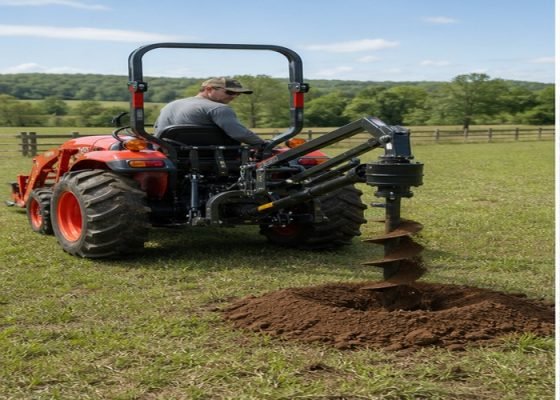
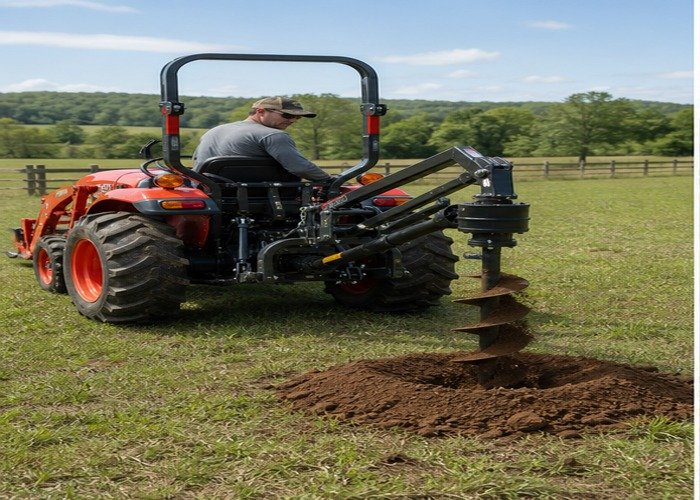
Compact Tractor Post-Hole Digger Guide: PTO Safety, Auger Size, Fence Layout, and Straight Holes should be answered from the worksite backward. The useful question is not the largest machine you can justify; it is which setup completes the repeated job with control, service margin, and a clear safety routine.
This guide focuses on matching a three-point post-hole digger to a compact tractor, marking utilities and fence lines, keeping the auger vertical, managing rocky soil, protecting the PTO driveline, and clearing holes without unsafe ground assistance. It is written for buyers, owners, and operators who need a practical decision before money, labor, or a workday is committed.
Before comparing models, list the tasks that happen every week and the tasks that happen only once or twice a year. Then confirm which pages on the current site match the decision, starting with compact tractor category and the broader SeekMach product overview.
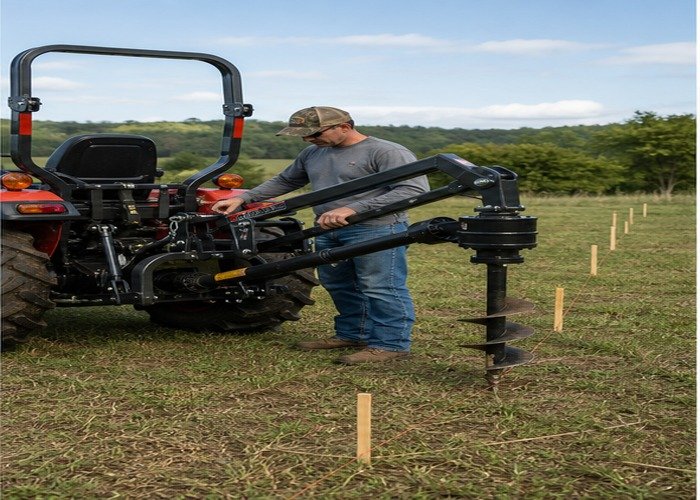
Mark utilities and set the fence line first is a field decision, not a catalog shortcut. For compact tractor post-hole digger, start by writing the job, the surface, the expected finish, the operator experience, and the stop conditions before comparing specifications.
Check the machine manual and attachment manual together. A tractor that looks adequate on one number can still be a poor fit when ballast, hydraulic flow, PTO load, cooling, transport width, or maintenance access is considered. SeekMach’s tractor application solutions can help compare related product paths without treating any one specification as the whole answer.
Use a short work-cycle test when possible: inspect the site, set up the machine, complete one representative pass, turn, travel, clean up, and record what slowed the work. That record is more useful than a best-case demonstration. The NIOSH tractor safety checklist is a useful outside reference for the safety or operating context behind this check.
A common mistake is solving the easy part of the job and ignoring the repeat work that follows: cleanup, storage, inspections, refueling or charging, repairs, transport, and the next hookup.
For a buying or setup decision, write three limits beside the specification: the condition where the machine works comfortably, the condition where it works slowly but acceptably, and the condition where the job should stop. This prevents a demonstration on easy ground from becoming an unsafe rule for wet soil, slopes, poor visibility, heavy material, or an attachment that changes balance.
Operators should also decide who is responsible for inspection before the next shift. A clean machine, known fluid level, visible pins, readable labels, sound guards, and a written note about any abnormal heat or noise make the next decision easier. Small defects are cheaper to handle before they become part of the normal routine.
Match tractor, hitch, PTO, and auger diameter is a field decision, not a catalog shortcut. For compact tractor post-hole digger, start by writing the job, the surface, the expected finish, the operator experience, and the stop conditions before comparing specifications.
Check the machine manual and attachment manual together. A tractor that looks adequate on one number can still be a poor fit when ballast, hydraulic flow, PTO load, cooling, transport width, or maintenance access is considered. SeekMach’s machinery application planning can help compare related product paths without treating any one specification as the whole answer.
Use a short work-cycle test when possible: inspect the site, set up the machine, complete one representative pass, turn, travel, clean up, and record what slowed the work. That record is more useful than a best-case demonstration. The OSHA agricultural operations standards is a useful outside reference for the safety or operating context behind this check.
When the result is marginal, change one variable at a time. Reduce the load, alter the route, choose a different attachment, wait for better ground conditions, or step up to a better matched machine.
For a buying or setup decision, write three limits beside the specification: the condition where the machine works comfortably, the condition where it works slowly but acceptably, and the condition where the job should stop. This prevents a demonstration on easy ground from becoming an unsafe rule for wet soil, slopes, poor visibility, heavy material, or an attachment that changes balance.
Operators should also decide who is responsible for inspection before the next shift. A clean machine, known fluid level, visible pins, readable labels, sound guards, and a written note about any abnormal heat or noise make the next decision easier. Small defects are cheaper to handle before they become part of the normal routine.
Inspect guards, shear protection, teeth, and gearbox is a field decision, not a catalog shortcut. For compact tractor post-hole digger, start by writing the job, the surface, the expected finish, the operator experience, and the stop conditions before comparing specifications.
Check the machine manual and attachment manual together. A tractor that looks adequate on one number can still be a poor fit when ballast, hydraulic flow, PTO load, cooling, transport width, or maintenance access is considered.
Use a short work-cycle test when possible: inspect the site, set up the machine, complete one representative pass, turn, travel, clean up, and record what slowed the work. That record is more useful than a best-case demonstration. The Penn State tractor safety basics is a useful outside reference for the safety or operating context behind this check.
A common mistake is solving the easy part of the job and ignoring the repeat work that follows: cleanup, storage, inspections, refueling or charging, repairs, transport, and the next hookup.
For a buying or setup decision, write three limits beside the specification: the condition where the machine works comfortably, the condition where it works slowly but acceptably, and the condition where the job should stop. This prevents a demonstration on easy ground from becoming an unsafe rule for wet soil, slopes, poor visibility, heavy material, or an attachment that changes balance.
Operators should also decide who is responsible for inspection before the next shift. A clean machine, known fluid level, visible pins, readable labels, sound guards, and a written note about any abnormal heat or noise make the next decision easier. Small defects are cheaper to handle before they become part of the normal routine.
Align the auger before engaging power is a field decision, not a catalog shortcut. For compact tractor post-hole digger, start by writing the job, the surface, the expected finish, the operator experience, and the stop conditions before comparing specifications.
Check the machine manual and attachment manual together. A tractor that looks adequate on one number can still be a poor fit when ballast, hydraulic flow, PTO load, cooling, transport width, or maintenance access is considered. SeekMach’s used tractor inspection guide can help compare related product paths without treating any one specification as the whole answer.
Use a short work-cycle test when possible: inspect the site, set up the machine, complete one representative pass, turn, travel, clean up, and record what slowed the work. That record is more useful than a best-case demonstration.
When the result is marginal, change one variable at a time. Reduce the load, alter the route, choose a different attachment, wait for better ground conditions, or step up to a better matched machine.
For a buying or setup decision, write three limits beside the specification: the condition where the machine works comfortably, the condition where it works slowly but acceptably, and the condition where the job should stop. This prevents a demonstration on easy ground from becoming an unsafe rule for wet soil, slopes, poor visibility, heavy material, or an attachment that changes balance.
Operators should also decide who is responsible for inspection before the next shift. A clean machine, known fluid level, visible pins, readable labels, sound guards, and a written note about any abnormal heat or noise make the next decision easier. Small defects are cheaper to handle before they become part of the normal routine.
Control penetration in clay, roots, and stones is a field decision, not a catalog shortcut. For compact tractor post-hole digger, start by writing the job, the surface, the expected finish, the operator experience, and the stop conditions before comparing specifications.
Check the machine manual and attachment manual together. A tractor that looks adequate on one number can still be a poor fit when ballast, hydraulic flow, PTO load, cooling, transport width, or maintenance access is considered.
Use a short work-cycle test when possible: inspect the site, set up the machine, complete one representative pass, turn, travel, clean up, and record what slowed the work. That record is more useful than a best-case demonstration. The University of Minnesota mowing practices is a useful outside reference for the safety or operating context behind this check.
A common mistake is solving the easy part of the job and ignoring the repeat work that follows: cleanup, storage, inspections, refueling or charging, repairs, transport, and the next hookup.
For a buying or setup decision, write three limits beside the specification: the condition where the machine works comfortably, the condition where it works slowly but acceptably, and the condition where the job should stop. This prevents a demonstration on easy ground from becoming an unsafe rule for wet soil, slopes, poor visibility, heavy material, or an attachment that changes balance.
Operators should also decide who is responsible for inspection before the next shift. A clean machine, known fluid level, visible pins, readable labels, sound guards, and a written note about any abnormal heat or noise make the next decision easier. Small defects are cheaper to handle before they become part of the normal routine.
Clear spoil without approaching rotating parts is a field decision, not a catalog shortcut. For compact tractor post-hole digger, start by writing the job, the surface, the expected finish, the operator experience, and the stop conditions before comparing specifications.
Check the machine manual and attachment manual together. A tractor that looks adequate on one number can still be a poor fit when ballast, hydraulic flow, PTO load, cooling, transport width, or maintenance access is considered. SeekMach’s compact tractor maintenance schedule can help compare related product paths without treating any one specification as the whole answer.
Use a short work-cycle test when possible: inspect the site, set up the machine, complete one representative pass, turn, travel, clean up, and record what slowed the work. That record is more useful than a best-case demonstration. The NIOSH hydraulic safety publication is a useful outside reference for the safety or operating context behind this check.
When the result is marginal, change one variable at a time. Reduce the load, alter the route, choose a different attachment, wait for better ground conditions, or step up to a better matched machine.
For a buying or setup decision, write three limits beside the specification: the condition where the machine works comfortably, the condition where it works slowly but acceptably, and the condition where the job should stop. This prevents a demonstration on easy ground from becoming an unsafe rule for wet soil, slopes, poor visibility, heavy material, or an attachment that changes balance.
Operators should also decide who is responsible for inspection before the next shift. A clean machine, known fluid level, visible pins, readable labels, sound guards, and a written note about any abnormal heat or noise make the next decision easier. Small defects are cheaper to handle before they become part of the normal routine.
Correct leaning holes before setting posts is a field decision, not a catalog shortcut. For compact tractor post-hole digger, start by writing the job, the surface, the expected finish, the operator experience, and the stop conditions before comparing specifications.
Check the machine manual and attachment manual together. A tractor that looks adequate on one number can still be a poor fit when ballast, hydraulic flow, PTO load, cooling, transport width, or maintenance access is considered.
Use a short work-cycle test when possible: inspect the site, set up the machine, complete one representative pass, turn, travel, clean up, and record what slowed the work. That record is more useful than a best-case demonstration.
A common mistake is solving the easy part of the job and ignoring the repeat work that follows: cleanup, storage, inspections, refueling or charging, repairs, transport, and the next hookup.
For a buying or setup decision, write three limits beside the specification: the condition where the machine works comfortably, the condition where it works slowly but acceptably, and the condition where the job should stop. This prevents a demonstration on easy ground from becoming an unsafe rule for wet soil, slopes, poor visibility, heavy material, or an attachment that changes balance.
Operators should also decide who is responsible for inspection before the next shift. A clean machine, known fluid level, visible pins, readable labels, sound guards, and a written note about any abnormal heat or noise make the next decision easier. Small defects are cheaper to handle before they become part of the normal routine.
Store the digger without damaging the driveline is a field decision, not a catalog shortcut. For compact tractor post-hole digger, start by writing the job, the surface, the expected finish, the operator experience, and the stop conditions before comparing specifications.
Check the machine manual and attachment manual together. A tractor that looks adequate on one number can still be a poor fit when ballast, hydraulic flow, PTO load, cooling, transport width, or maintenance access is considered.
Use a short work-cycle test when possible: inspect the site, set up the machine, complete one representative pass, turn, travel, clean up, and record what slowed the work. That record is more useful than a best-case demonstration.
When the result is marginal, change one variable at a time. Reduce the load, alter the route, choose a different attachment, wait for better ground conditions, or step up to a better matched machine.
For a buying or setup decision, write three limits beside the specification: the condition where the machine works comfortably, the condition where it works slowly but acceptably, and the condition where the job should stop. This prevents a demonstration on easy ground from becoming an unsafe rule for wet soil, slopes, poor visibility, heavy material, or an attachment that changes balance.
Operators should also decide who is responsible for inspection before the next shift. A clean machine, known fluid level, visible pins, readable labels, sound guards, and a written note about any abnormal heat or noise make the next decision easier. Small defects are cheaper to handle before they become part of the normal routine.
No. Size matters, but the final choice also depends on surface, attachment load, operator skill, maintenance access, transport, and how much reserve the job needs.
Usually not without checking frequency. A rare peak task may be better rented, contracted, or handled with a different attachment while the owned machine fits recurring work.
Test the actual work cycle: setup, first pass, turns, travel, finish quality, cleanup, shutdown, and storage. Watch heat, traction, visibility, noise, and control response.
The best answer for compact tractor post-hole digger is the one that completes the real job with margin, predictable handling, and a maintenance routine the owner will actually follow.
Use the validated public video as one visual reference for the topic: related YouTube demonstration. Then compare the machine against the site, the attachment, and the operator rather than relying on a single headline specification.
If two options are close, choose the one with clearer service support, safer attachment fit, and a calmer work cycle. That decision usually pays back more reliably than a bigger number on paper.