Telephone/WhatsApp:+86 156 2656 0610

Telephone/WhatsApp:+86 156 2656 0610
Email:info@seekmach.com



Before taking a mini excavator onto a dry brush site, confirm that the proposed work is permitted, identify the actual engine and exhaust equipment, and agree how the crew will respond to changing conditions. A spark arrester is one part of that decision. Its presence does not establish permission to work, prove that an exhaust installation is suitable, or remove other ignition hazards around the machine.
This guide helps an owner or rental customer assemble a work acceptance record. It does not identify an approved arrester for any SeekMach model. Applicable restrictions depend on the location, land manager, activity and current order. Obtain the requirements for the actual property and work date rather than copying a rule from another state or a previous job.
These are three different questions. Permission concerns whether this activity may take place here today. Equipment evidence concerns what is installed and whether it satisfies the applicable requirements. Daily conditions concern the actual vegetation, route, weather, machine condition and response arrangements. A satisfactory answer to one question cannot fill a blank in the other two.
For example, the Idaho Department of Lands explanation of fire restriction stages distinguishes activities and restrictions within its jurisdiction. Treat it as an example of why the exact order matters, not a worldwide excavator operating rule. This article does not assert that a particular restriction is currently in force on your site.
Keep the land manager’s current notice with the job file. Record the issuing authority, covered area, effective dates, relevant activity wording and the person who checked it. If the boundary or activity is unclear, obtain clarification before dispatch. A screenshot without its date and location can become misleading when passed between crews.

| Decision | Evidence to request | Unresolved condition |
|---|---|---|
| Work eligibility | Current applicable land manager notice and project permission | Hold dispatch if the activity or location is not covered clearly |
| Equipment identity | Machine, engine and installed exhaust identifiers | Ask the supplier to resolve missing or conflicting identity |
| Site arrangements | Approved route, parking, communication and response plan | Have the responsible supervisor revise an incomplete plan |
| Condition changes | Named person and method for monitoring notices and conditions | Stop and reassess when the agreed conditions no longer apply |
The table is a suggested administrative structure, not a compliance certificate. Fill it with the actual project’s evidence. The useful result is a clear decision with an owner, not a collection of tick marks that nobody can explain. Record the unresolved item in plain language and identify who is able to resolve it.
Rental customers can add these questions to the mini excavator rental planning checklist. Agree who supplies the engine information, who checks local work restrictions, and who can stop the job. Do not assume a rental handover transfers every site responsibility to the equipment supplier.
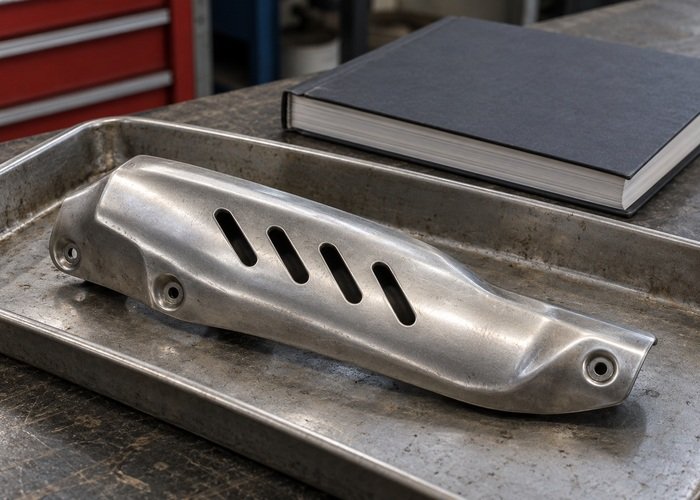
A machine model name alone may not answer a land manager’s equipment question. Ask for the identity of the installed engine and exhaust arrangement, the applicable manual and any qualification evidence required for that arrangement. Keep photographs of readable identifiers where they can be obtained without unsafe access. Do not remove guards or approach a hot system to obtain a better photograph.
Das California State Parks spark arrester law page illustrates that an arrester has a defined regulatory meaning and that the relevant law includes scope and exceptions. It does not establish approval of an unidentified mini excavator, and a component that resembles a muffler is not sufficient evidence of qualification.
Ask the supplier to identify the document that supports the proposed use. If a replacement exhaust component has been fitted, include that change in the enquiry. A brochure for the original machine and a photograph of the current installation may describe different arrangements. Resolve that discrepancy through the manufacturer or an appropriately qualified service provider.
Do not improvise a screen, pack an exhaust with material, drill a housing or modify the system to imitate another machine. This guide supplies no fitting procedure, mesh specification or approval shortcut. When a required document or part identity is missing, the appropriate next action is an evidence request rather than a trial installation.
Das National Interagency Fire Center discussion of equipment ignition sources identifies several mechanisms, including hot components, accumulated organic material, mechanical faults and contact that produces sparks. That wider view matters when planning a brush clearance job: an arrester addresses a particular hazard and does not settle every fire risk around the work.
Use the machine manual and the site’s assessment to plan inspection and housekeeping. Report damaged shielding, abnormal exhaust condition, leaks or retained vegetation through the agreed defect process. Perform inspection or cleaning only with the isolation, cooling, access and maintenance arrangements specified for the actual machine. Do not reach into a running machine to remove debris.
Consider the whole movement sequence: unloading, travelling to the work area, working, refuelling where authorized, breaks and final parking. A route that looks acceptable on a plan may cross dry vegetation or leave no suitable stopping area. Have the responsible site person evaluate those locations before the operator commits to them.
A plan should identify the site location in a form the crew can communicate, the contact method that works there, the responsible supervisor and the locally approved emergency response arrangements. Confirm these details before work starts. This article does not specify firefighting equipment quantities, watch periods or suppression tactics; those must come from applicable requirements and competent site planning.
Agree what happens when the operator observes smoke, a new defect, unexpected dry fuel accumulation or a change in conditions. The response should prioritize stopping safely, alerting the responsible people and following the emergency plan. Do not turn an excavator operator into an improvised firefighter or ask someone to investigate a hot compartment without appropriate direction.
Include subcontractors and replacement operators in the briefing. The person who researched the restriction might not be present when the machine arrives. Put the decision record where the site supervisor and operator can actually use it, and ensure that a changed instruction reaches both parties rather than remaining in an office email thread.
Consider an illustrative job where a contractor is booked to clear one access strip, then is asked to continue onto an adjoining parcel. The original permission and route assessment should not simply be extended by assumption. Confirm the additional land boundary, proposed activity and conditions with the responsible party before accepting the change.
The same reasoning applies to a different machine, an exhaust repair or a postponed start date. Identify which part of the original decision has changed, obtain the relevant replacement evidence and record the new decision. This is more useful than repeating an entire generic checklist while overlooking the one fact that made the earlier approval inapplicable.
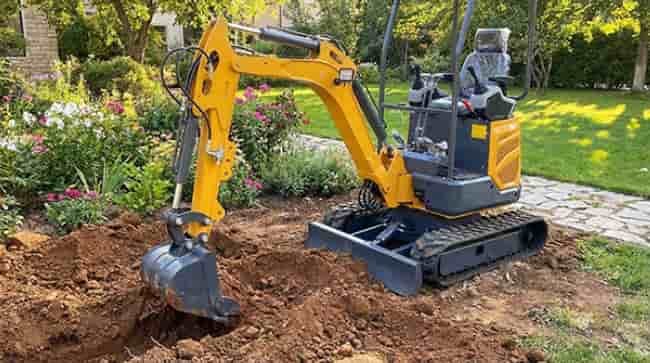
For equipment enquiries, send SeekMach the intended task, destination and machine identification. The excavator product category can help start a model discussion, but a product listing is not local work permission. Use the spare parts identification guide to organize the component enquiry. Ask for the actual machine documentation before agreeing that a configuration meets a project requirement.
When information is missing, name the exact question and send it to the party able to answer it. A land manager can clarify the applicable restriction; a manufacturer can explain the supplied exhaust configuration; the site supervisor can resolve the proposed route and response arrangements. Sending the same broad question to everyone can produce several reassuring replies without resolving the actual gap.
Keep commercial pressure separate from the release decision. If the job must be postponed, record the reason and the evidence needed to reconsider it. A new start date, a changed work area or a different machine should prompt a check of the affected assumptions. The purpose is to avoid arriving with equipment that cannot be used under the agreed conditions, rather than asking the operator to make an unsupported decision after delivery.
No. Check the current applicable order and the activity it covers. Equipment requirements and permission to work are separate decisions. An installed component cannot override a prohibition or an unresolved site condition.
A photograph can support identification, but it may not show the required marking, internal construction or installation details. Ask the manufacturer or qualified supplier for the applicable evidence and resolve inconsistencies before use.
Keep the current permission reference, work boundary, equipment identity, relevant documents, unresolved defects, briefing record and named decision owner. Record changes as the job develops. The file should explain why the proposed work was accepted and what conditions would require it to stop.