Telephone/WhatsApp:+86 156 2656 0610
Telephone/WhatsApp:+86 156 2656 0610
Email:seekmach@gmail.com

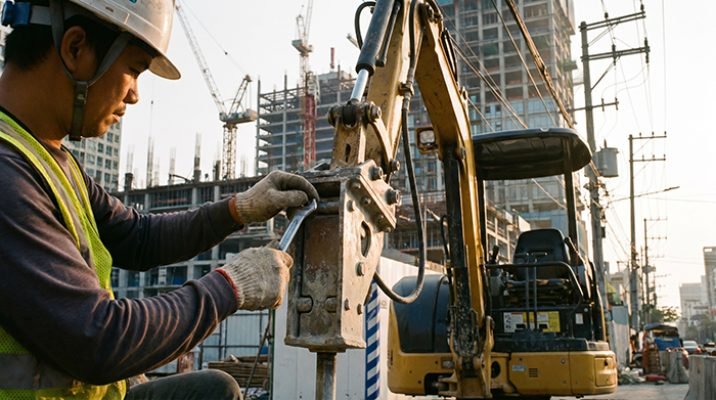
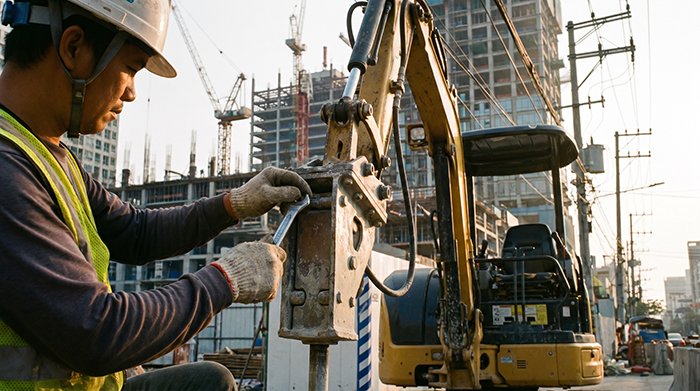
The construction industry is undergoing a quiet revolution — and excavation equipment is at the center of this change. Sprawling urban job sites, aging infrastructure corridors, and high-density agricultural zones are demanding something that traditional heavy iron simply wasn’t built to deliver: precision.
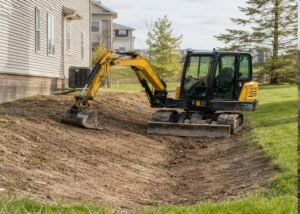
![Modern compact excavator operating on a congested urban job site with high-rise buildings in the background]
The global excavator market tells the story in numbers. According to Fortune Business Insights, the sector is projected to grow from $71.25 billion in 2023 to $107.58 billion by 2030 — and the engine driving that growth isn’t raw tonnage. It’s versatility, compact footprint, and task-specific performance.
Traditional heavy excavators are typically engineered for open-site excavation: wide berths, deep trenches, uncomplicated terrain. In practice, however, modern project environments look nothing like that. Urban renewal projects squeeze machines between utility corridors and active traffic lanes. Agricultural operations demand reach and delicacy in the same movement. General-purpose machines are often not the best fit for specialized tasks.
This mismatch has fundamentally changed how procurement managers think. The old mindset — buy big, use everywhere — is giving way to a specialized solution philosophy: source the right machine for the specific environment, not the broadest possible job description. Contractors exploring tight-access compact options are discovering that smaller, purpose-built machines frequently outperform oversized equipment on both productivity and total project cost.
Specialized excavator efficiency solutions for urban infrastructure aren’t a niche trend — they represent a fundamental reorientation of what the industry expects from its equipment. The sections ahead explore exactly how this shift is playing out across two of construction’s most demanding frontiers, starting with the urban environments where space itself has become the biggest obstacle.
Modern cities don’t offer the luxury of open ground. Utility upgrades run beneath active streets, demolition happens inside occupied buildings, and pipeline work squeezes into alleys barely wide enough for a crew to stand in. General-purpose excavators — designed for open-site excavation — increasingly fail these environments. What urban contractors actually need are machines engineered around the constraints of the job, not the other way around.
According to EquipmentWorld, Zero Tail Swing (ZTS) designs have become a primary technical requirement for municipal and indoor demolition contracts. The logic is straightforward: a conventional excavator’s counterweight extends beyond its tracks during rotation, creating a dangerous sweep radius that’s simply incompatible with roadside barriers, scaffolding, or occupied structures. ZTS models eliminate that overhang entirely. The machine rotates within its own footprint — a capability that converts previously “impossible” work sites into manageable ones. If you’re evaluating whether a compact machine fits a specific job, understanding ZTS vs. conventional tailswing is often the deciding factor.
Specialized hydraulic systems are what transform a compact chassis into a genuinely versatile platform. Auxiliary hydraulic circuits allow operators to swap between breakers, augers, plate compactors, and grading buckets — all within one machine footprint. In practice, a single ZTS excavator can handle three or four sequential tasks on a municipal project that would previously have required separate mobilization events. That consolidation directly impacts timelines. Municipal contractors using precision attachments have reported significant project timeline reductions, leading to measurable savings on labor, permitting holds, and equipment rental costs.
There’s a larger strategic argument here beyond efficiency. As the World Bank notes, growth in the post-crisis era requires preventing carbon-intensive infrastructure lock-in — deploying oversized, fuel-heavy equipment for tasks that right-sized machines handle better creates emissions commitments baked into project after project. Choosing a precision excavator isn’t just a budget decision; it’s an infrastructure-planning decision.
Key Insight: The same principles driving smarter urban equipment selection — right-sized geometry, multi-tool hydraulics, fuel efficiency — are now reshaping how agricultural operators think about heavy equipment fleet optimization for agricultural projects, a trend the next section examines in detail.
The shift away from general-purpose equipment isn’t limited to city streets and construction zones. Across high-yield farms, vineyard estates, and large-scale drainage projects, land managers are reaching the same conclusion: the traditional tractor often lacks the precision needed for specialized agricultural tasks.
Mordor Intelligence reports that mini excavators in the 1–10 ton range are increasingly popular in the earthmoving equipment market — driven significantly by precision agriculture adoption. That number reflects a fundamental rethinking of what land management machinery should do.
The comparison isn’t about horsepower. It’s about precision, soil health, and return on investment.
| Faktor | Traditional Tractor | Specialized Mini Excavator |
|---|---|---|
| Soil compaction | High — wide tire footprint | Low — reduced ground pressure |
| Trench accuracy | Limited, requires attachments | Native bucket precision |
| Attachment versatility | Mäßig | High — augers, thumb grabs, tilt buckets |
| Tight-area access | Poor | Exzellent |
| Drainage ROI | Inconsistent | Measurable and repeatable |
Soil compaction is where the argument becomes decisive. Heavy tractor passes degrade root zone structure over time, reducing yields season after season. Compact excavators distribute weight more evenly, protecting the very soil productivity that agricultural operations depend on.
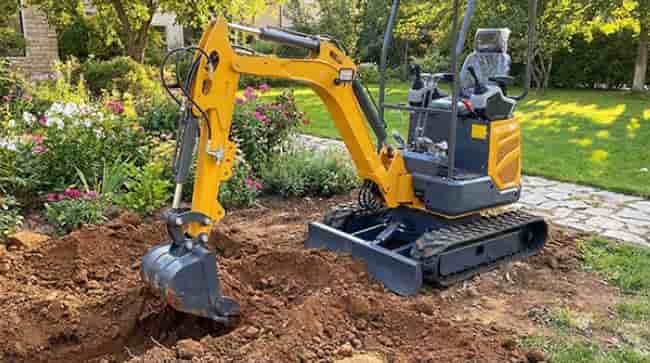
Drainage, irrigation trenching, stump removal, pond shaping — these tasks demand tools that adapt to the job. With the right specialized bucket attachments, a single compact machine can replace several pieces of multi-purpose machinery for municipal land management and private agricultural operations alike.
Practical agricultural use cases include:
For operators stepping into this kind of work, understanding machine control fundamentals makes a measurable difference in output quality and efficiency.
Seekmach’s OEM/ODM model addresses one of agriculture’s most persistent procurement problems: off-the-shelf machines rarely match the specific bucket geometry, arm reach, or load rating a given operation needs. Factory-direct customization closes that gap — and as these machines get smarter, the data they generate is becoming just as valuable as the work they perform.
The shift toward specialized compact machinery — whether on congested city blocks or high-yield farmland — raises an immediate operational question: how do you manage a growing fleet of purpose-built machines without losing visibility into performance and cost? The answer increasingly lives in the data.
“The integration of telematics and IoT in mid-size excavators is no longer a luxury but a necessity for fleet managers to reduce idle time.” — Association of Equipment Manufacturers (AEM)
That statement reflects a broad industry realignment. What was once reserved for large-scale civil contractors is now standard practice for municipal procurement officers managing tight budgets. Real-time IoT feeds give supervisors instant access to fuel consumption rates, hydraulic pressure cycles, and engine load — data points that directly translate into cost savings or cost overruns.
Predictive maintenance is where telematics delivers its sharpest ROI. Rather than following fixed service intervals, fleet managers can respond to actual wear patterns. A machine flagging abnormal hydraulic temperature before a gasket fails saves far more than a scheduled oil change ever could. For procurement officers responsible for fleets across multiple project sites, that kind of foresight isn’t optional — it’s a budget protection strategy.
Practical compatibility also matters. Understanding mini excavator hydraulic attachment compatibility across different tool carriers becomes significantly easier when telematics systems log attachment usage cycles, pressure demands, and operating hours per accessory. That data helps operators match the right attachment to the right machine — and avoid premature wear. Machines designed with modular attachment flexibility benefit most from this kind of operational intelligence.
Seekmach integrates monitoring-ready architecture directly into its factory-direct models, which connects naturally to a broader question: where you source the machine shapes what digital capabilities come standard — and what you’ll pay for them.
The telematics data and precision capabilities covered earlier only deliver their full value when the underlying equipment is sourced intelligently. For fleet managers focused on how to maximize excavator ROI in drainage projects and other high-stakes applications, procurement strategy is just as critical as machine specifications.
Traditional equipment supply chains stack multiple intermediary margins between the factory floor and your job site. Regional distributors, importers, and dealers each add overhead — often inflating the final purchase price by 20–40% compared to factory-direct pricing. For a fleet of five compact excavators, that markup gap can translate to tens of thousands of dollars that could otherwise fund attachments, operator training, or expanded project capacity.
Factory-direct procurement cuts through this margin stack entirely, giving buyers direct access to competitive base pricing, current production schedules, and flexible configuration options that distributors rarely offer.
For any equipment entering international infrastructure projects or government-tendered work, CE and ISO certifications aren’t optional paperwork — they’re project prerequisites. Non-certified machinery can be rejected at customs, disqualify bids, or expose contractors to liability. Working directly with a certified manufacturer eliminates that risk upfront.
Example scenario: A municipal drainage contractor sources compact excavators from an uncertified supplier to cut costs, then faces equipment seizure at port — delaying a $2M project by six weeks.
Regional infrastructure needs vary significantly. Coastal drainage projects require corrosion-resistant hydraulic components; high-altitude agricultural work demands adjusted engine tuning. OEM/ODM programs allow buyers to specify these configurations before production rather than retrofitting after delivery — a far more cost-effective approach. Whether you’re running a short-tail-swing model in constrained sites or comparing tonnage classes for attachment-heavy work, custom-spec ordering ensures the machine matches the mission.
Sourcing direct doesn’t mean sacrificing delivery reliability. Shandong SeekMach, operating from a 50,000m² manufacturing facility and supplying CE-certified equipment to over 50 countries, demonstrates what modern factory-direct logistics actually looks like — consistent quality control, documented compliance, and established freight corridors to global destinations.
Use this four-point checklist when evaluating any global supplier:
Once you’ve locked in the right supplier relationship, the next question becomes operational: how do you extract maximum efficiency from the equipment once it’s on-site? The answer often comes down to one underappreciated skill — mastering hydraulic attachment switching in real time.
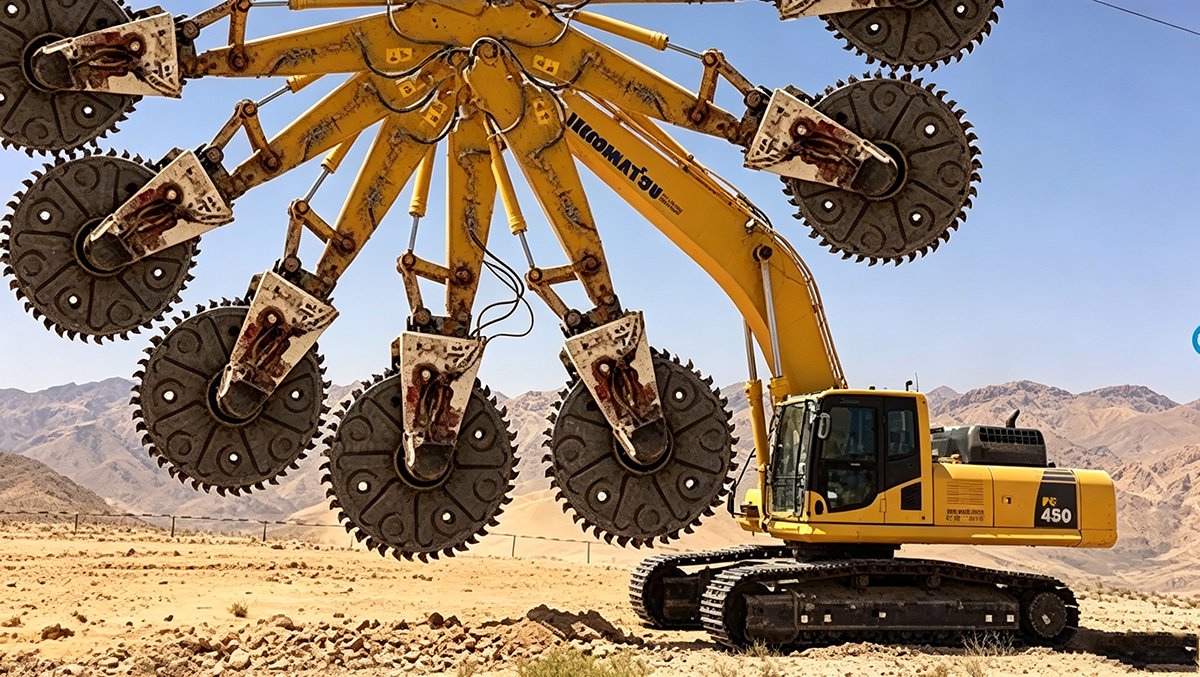
This footage captures what modern hydraulic systems can actually do under real worksite conditions — including attachment switching in under 60 seconds — showing why speed and precision are no longer mutually exclusive. Fleet managers will notice how zero-tail-swing geometry lets operators transition between tasks without repositioning the machine. The key takeaway: attachment versatility multiplied by fast cycle times is what separates high-output fleets from average ones. Practical questions around compatibility, certifications, and maintenance schedules come up immediately — and those deserve direct answers.
How do I ensure attachment compatibility across different brands?
Kompatibilität von Anhängen is one of the most overlooked procurement risks in specialized excavator operations. The core issue is that coupler standards — such as S-type, Pin Grabber, and proprietary quick-coupler systems — vary significantly across manufacturers. In practice, the safest approach is to confirm hydraulic flow rates, pressure ratings, and mechanical pin spacing before purchasing any attachment independently. Always request a compatibility chart from your dealer. If you’re evaluating compact options, reviewing quick-coupler specs for smaller machines can clarify what a standardized attachment-ready platform actually looks like in real-world configurations.
What are the maintenance requirements for high-efficiency hydraulic systems?
Modern load-sensing hydraulic systems demand more disciplined maintenance than conventional open-center designs. Hydraulic fluid should be sampled every 500 operating hours, with full filter replacements at manufacturer-specified intervals — typically every 1,000 hours. Contamination is the primary failure mode; even minor particulate ingress can degrade valve precision and reduce fuel efficiency. The precision infrastructure hydraulic excavators market continues expanding partly because operators recognize that proactive fluid management directly extends component lifespan and protects ROI.
How does zero-tail-swing affect lifting capacity?
Zero-tail-swing (ZTS) geometry requires the counterweight to remain within the machine’s track width, which inherently limits counterweight mass. The practical trade-off: lifting capacity — particularly at maximum reach — is typically reduced by 8–15% compared to a conventional-swing machine of equivalent operating weight. However, for urban infrastructure work where site constraints dominate, that trade-off is overwhelmingly worthwhile. One practical approach is to spec a ZTS machine one weight class higher than you’d ordinarily consider, recovering the capacity differential while maintaining the tight-space advantage.
What certifications are required for municipal projects in the US and EU?
In the US, municipal excavator work typically requires EPA Tier 4 Final engine compliance, OSHA equipment inspection documentation, and in many jurisdictions, operator NCCER or equivalent credentialing. EU projects demand Stage V emissions certification under Regulation (EU) 2016/1628, alongside CE marking and conformity declarations. For projects near waterways or protected zones, additional environmental compliance documentation applies. Equipment buyers sourcing machines for cross-border or federally funded infrastructure should confirm certification status upfront — non-compliant machines can trigger costly project delays. Staying current with regulatory updates via industry sources like Highways Today helps procurement teams avoid compliance blind spots.
The precision revolution in excavation continues to gain momentum. As urban density increases and agricultural margins tighten, operators investing in purpose-built, specification-matched equipment — and understand the technical and regulatory landscape behind it — will consistently outperform those relying on general-purpose alternatives. Use the insights from this guide to make your next equipment decision with confidence.