 55
Mini Excavator Safety Lock Lever: Approach, Isolation and Defects
Plan safe approach to a stationary mini excavator using the exact control-isolation instructions, clear communication and documented safety-critical defect handling.
Read article
 Čeština
 EnglishEnglish (United States)
 EspañolSpanish (Spain)
 FrançaisFrench (France)
 DeutschGerman
 РусскийRussian
 Português do BrasilPortuguese (Brazil)
 Bahasa IndonesiaIndonesian
 ItalianoItalian
 العربيةArabic
 БългарскиBulgarian
 বাংলাBengali (Bangladesh)ČeštinaCzech
 DanskDanish
 ΕλληνικάGreek
 SuomiFinnish
 हिन्दीHindi
 HrvatskiCroatian
 MagyarHungarian
 日本語Japanese
 한국어Korean
 Lietuvių kalbaLithuanian
 NederlandsDutch
 Norsk bokmålNorwegian (Bokmål)
 PolskiPolish
 RomânăRomanian
 SlovenčinaSlovak
 SlovenščinaSlovenian
 SvenskaSwedish
 ไทยThai
 TürkçeTurkish
 УкраїнськаUkrainian
 Tiếng ViệtVietnamese
 TagalogTagalog
 Bahasa MelayuMalay
 EestiEstonian
 CatalàCatalan
 Latviešu valodaLatvian
 اردوUrdu
 Српски језикSerbian
 فارسیPersian
 KiswahiliSwahili
 ShqipAlbanian
 ՀայերենArmenian
 ÍslenskaIcelandic
 BosanskiBosnian
 LuxembourgishLuxembourgish
 AfrikaansAfrikaans
No matching language. Try a different name.

Machinery selection, working applications, maintenance and export guidance for equipment buyers and owners.
55Plan safe approach to a stationary mini excavator using the exact control-isolation instructions, clear communication and documented safety-critical defect handling.
Read article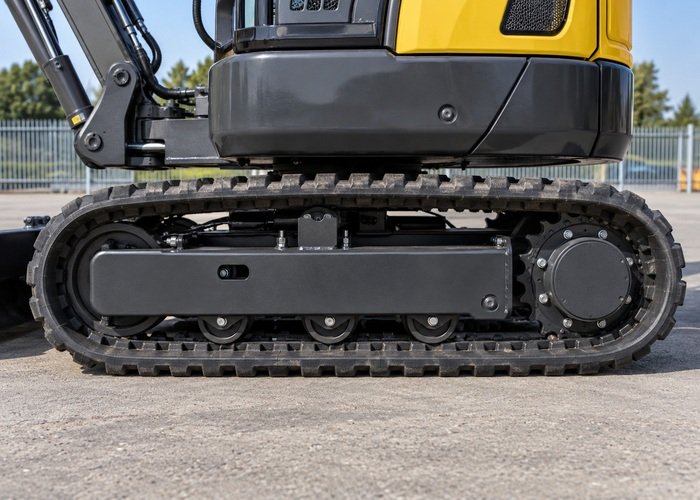 56
Compare mini excavator rubber tracks, steel tracks and rubber pads using actual surfaces, approved undercarriage options, route requirements and service support.
Read article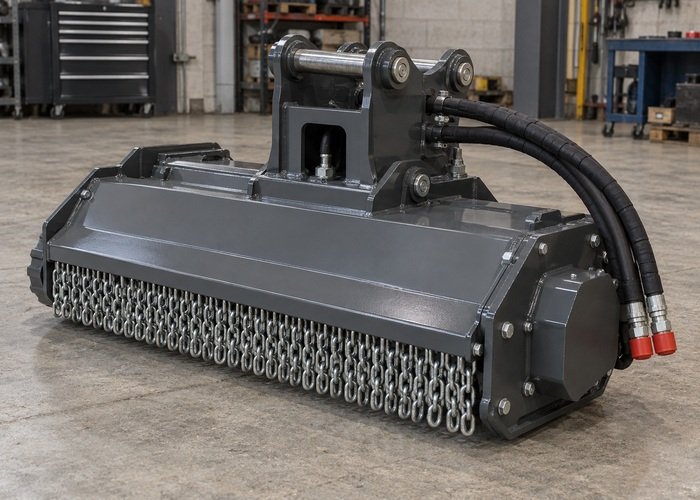 57
Choose an excavator mower attachment by vegetation, carrier approval, hydraulic supply, guarding and a representative trial before comparing cutting width.
Read article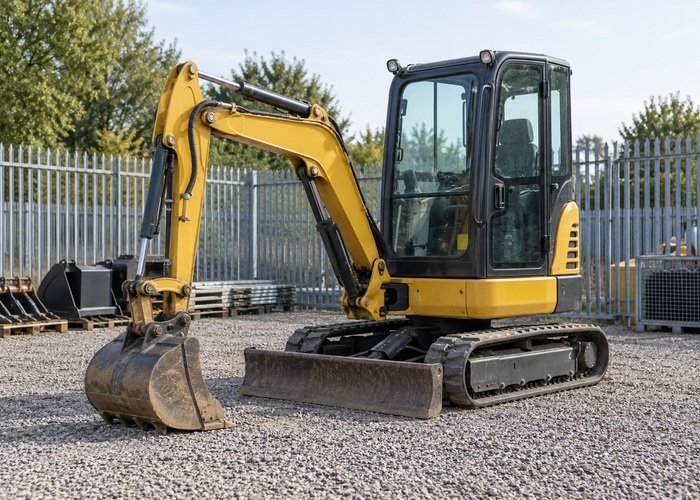 58
Build a mini excavator theft-prevention plan around key control, secure parking, separate attachment records, approved security measures and incident contacts.
Read article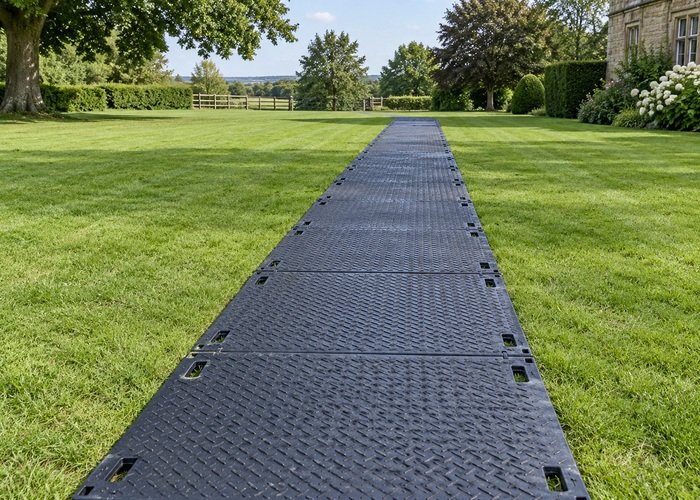 59
Select mini excavator ground protection mats with a reviewed route, actual machine configuration and ground assessment. Separate surface protection from support.
Read article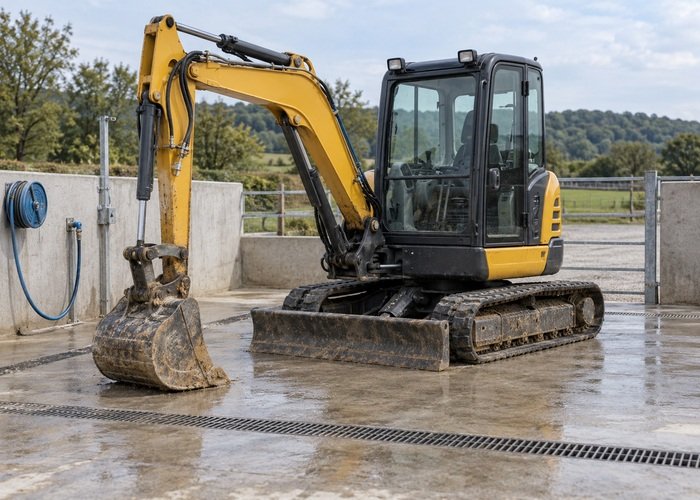 60
Plan mini excavator biosecurity cleaning with site-specific requirements, safe access, controlled debris and runoff, and documented transfer acceptance.
Read article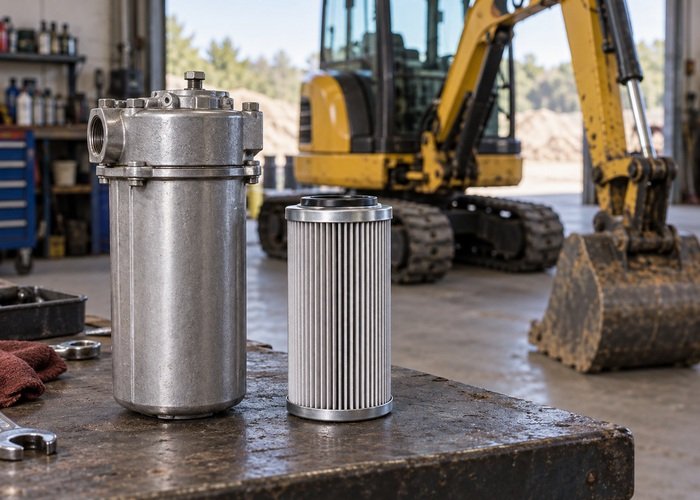 61
Plan mini excavator hydraulic filter replacement using the exact assembly, restriction-indicator guidance, approved element and bypass configuration.
Read article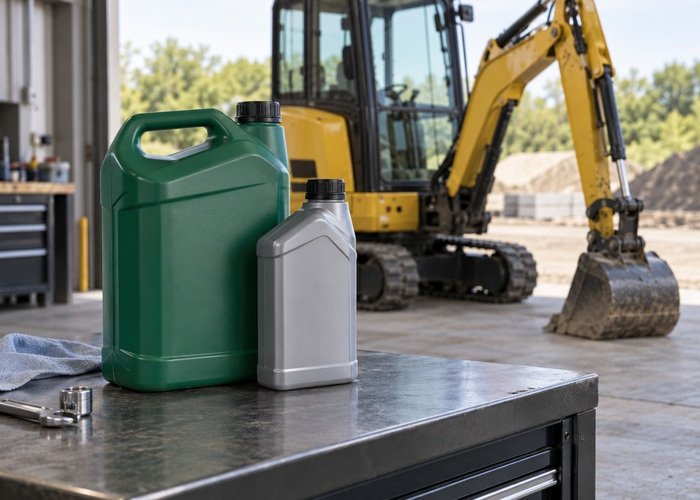 62
Evaluate mini excavator biodegradable hydraulic oil with exact fluid approval, component compatibility, an approved changeover plan and continuing spill controls.
Read article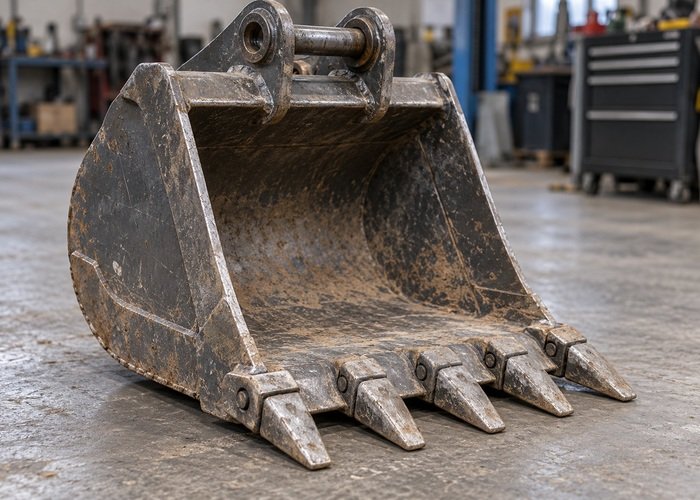 63
Plan mini excavator bucket teeth replacement by identifying the tooth, adapter and retainer, checking wear, and confirming the complete replacement assembly.
Read article