 37
Mini Excavator Diesel Storage: Protect Fuel Before It Reaches the Tank
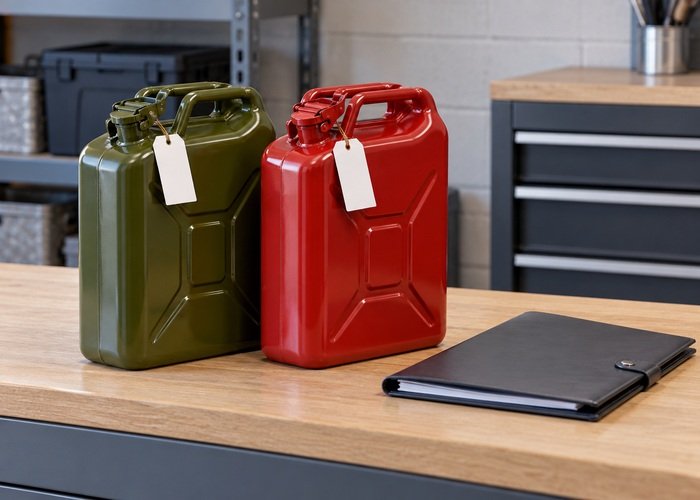
Trace mini excavator diesel from delivery to storage and dispensing with product identity, stock history and qualified contamination investigation records.
Read article
 Български
 EnglishEnglish (United States)
 EspañolSpanish (Spain)
 FrançaisFrench (France)
 DeutschGerman
 РусскийRussian
 Português do BrasilPortuguese (Brazil)
 Bahasa IndonesiaIndonesian
 ItalianoItalian
 العربيةArabicБългарскиBulgarian
 বাংলাBengali (Bangladesh)
 ČeštinaCzech
 DanskDanish
 ΕλληνικάGreek
 SuomiFinnish
 हिन्दीHindi
 HrvatskiCroatian
 MagyarHungarian
 日本語Japanese
 한국어Korean
 Lietuvių kalbaLithuanian
 NederlandsDutch
 Norsk bokmålNorwegian (Bokmål)
 PolskiPolish
 RomânăRomanian
 SlovenčinaSlovak
 SlovenščinaSlovenian
 SvenskaSwedish
 ไทยThai
 TürkçeTurkish
 УкраїнськаUkrainian
 Tiếng ViệtVietnamese
 TagalogTagalog
 Bahasa MelayuMalay
 EestiEstonian
 CatalàCatalan
 Latviešu valodaLatvian
 اردوUrdu
 Српски језикSerbian
 فارسیPersian
 KiswahiliSwahili
 ShqipAlbanian
 ՀայերենArmenian
 ÍslenskaIcelandic
 BosanskiBosnian
 LuxembourgishLuxembourgish
 AfrikaansAfrikaans
No matching language. Try a different name.

Machinery selection, working applications, maintenance and export guidance for equipment buyers and owners.
37Trace mini excavator diesel from delivery to storage and dispensing with product identity, stock history and qualified contamination investigation records.
Read article 38
Plan mini excavator concrete demolition around task classification, cab evidence, other workers and site-specific silica controls before choosing a breaker.
Read article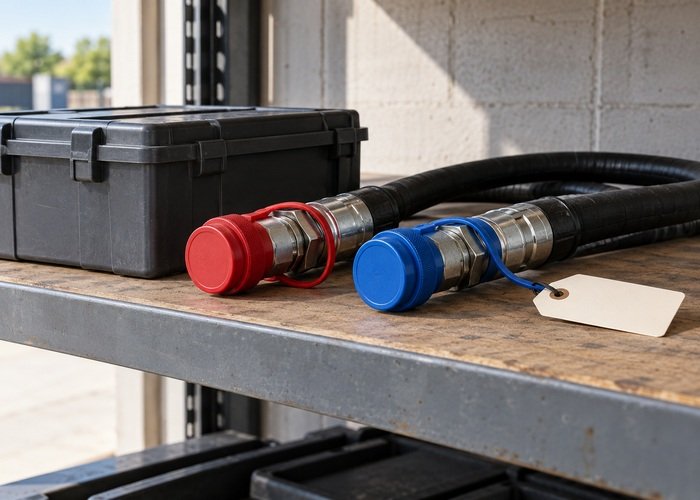 39
Plan mini excavator breaker storage with approved support, protected connections, traceable condition records and qualified return-to-service checks.
Read article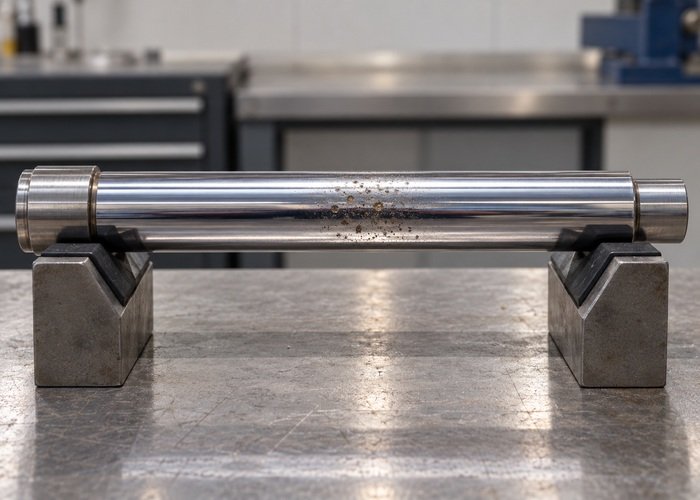 40
Document mini excavator cylinder rod pitting safely, distinguish surface observations from drift, and prepare an identified inspection and repair request.
Read article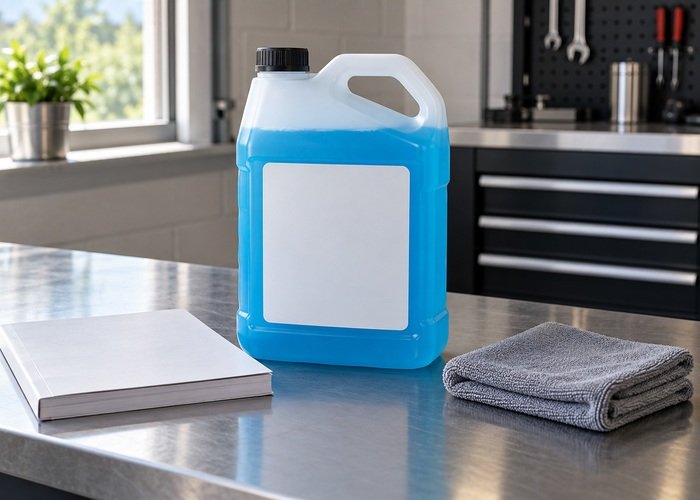 41
Choose mini excavator coolant by engine specification, documented fill, concentration and approved service guidance rather than colour alone.
Read article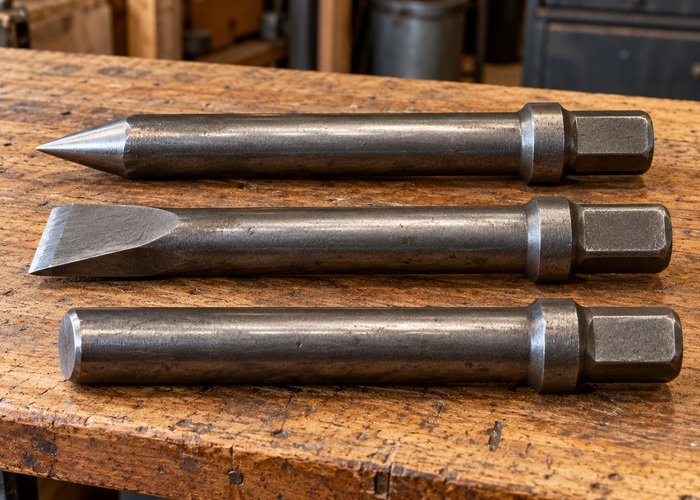 42
Compare mini excavator breaker tool shapes by material and task, then confirm the exact shank, retention and breaker approval before ordering.
Read article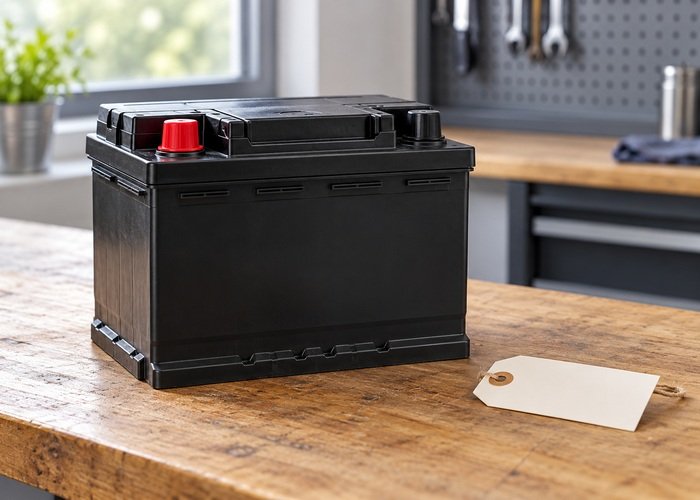 43
Confirm mini excavator battery voltage, technology, ratings, terminal layout, tray fit and approved installation before ordering a replacement.
Read article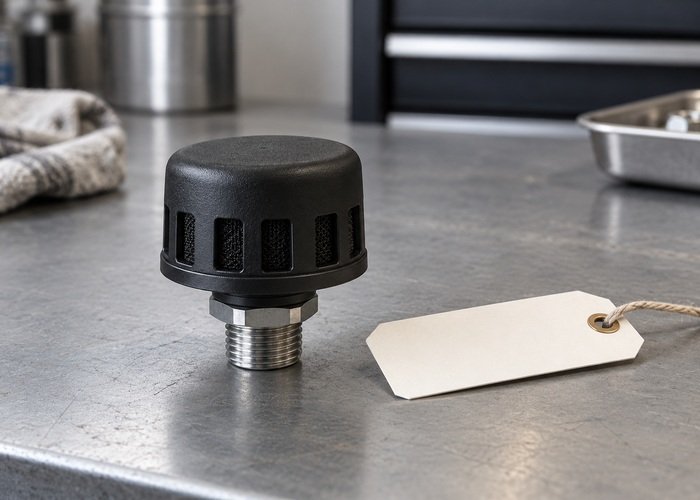 44
Identify a mini excavator reservoir breather before replacement: confirm air handling, pressure functions, sealing, environmental needs and approved service records.
Read article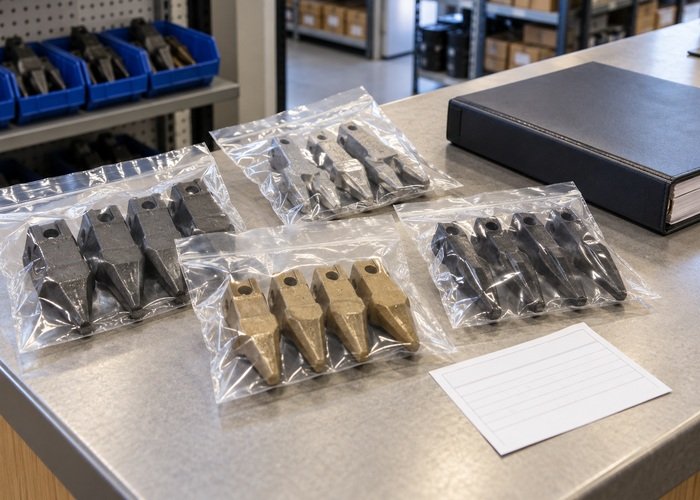 45
Assess mini excavator auger teeth, pilot and pocket condition with confirmed bit identity, qualified inspection and approved replacement parts before changing equipment.
Read article